Pain Control After Heart Surgery: What to Expect and How to Manage It
Almost everyone worries about pain before heart surgery. The reassuring news is that pain control has changed a great deal. Most teams now combine several methods so you stay comfortable with far fewer opioids. Your own team's pain plan always comes first. This page explains how that plan usually works, what is normal, and how to speak up when it is not enough.
Why comfort is part of the treatment
Pain control after heart surgery is not about toughing it out. When you are comfortable you can breathe deeply, cough, walk the hallway, and sleep. Each of those protects your lungs and speeds healing. When pain is poorly controlled, people breathe shallowly and stay in bed, and that is how pneumonia and blood clots get started.
Zero pain is not the goal. Reaching it would mean doses of strong medicine that cause more trouble than the discomfort they treat. What you want is pain you can live with. Nurses will ask you for a number between zero and ten, and a score around three or four is a typical target, because at that level you can still cough, walk, and fill your lungs.
Layered pain relief, not one big pill
The modern approach has a technical name, multimodal analgesia, but the idea is simple. Several small tools beat one big one. Low doses of different medicines, each acting in its own way, give better relief than a large dose of a single drug, and each one causes fewer side effects.
The base layer is usually acetaminophen (Tylenol), taken on a fixed schedule around the clock rather than only when pain flares. Staying ahead of pain is much easier than catching up with it. Your team sets a daily maximum. Stay inside it.
On top of that base, your team may add other options when they are safe for you. Anti-inflammatory drugs help some people, but after heart surgery they can stress the kidneys and raise bleeding risk, so many patients are told to avoid them. Opioids sit at the top of the stack, kept for pain that pushes through the scheduled medicines.
Nerve blocks: numbing the chest wall
One of the most useful additions is a nerve block, which the anesthesia team places while you are asleep. Usually guided by ultrasound, they inject numbing medicine, similar to what a dentist uses, next to the nerves that carry pain signals from your chest wall.
The effect lasts many hours, and some teams leave a thin catheter in place so the numbing medicine keeps flowing for a day or two. With the block doing much of the work, you need far less opioid, so there is less nausea, less constipation, and a clearer head. You can still move normally, and the block poses no risk to your heart.
Expect some tingling or patchy numbness in the chest as it wears off. That is normal and fades on its own. Blocks are part of many enhanced recovery (ERAS) programs. Ask whether your hospital uses them.
Opioids: useful, but briefly
Oxycodone (OxyContin, or combined with acetaminophen as Percocet), hydromorphone (Dilaudid), morphine, and related drugs remain useful for brief, severe pain. They also bring constipation, drowsiness, nausea, foggy thinking, and in older adults a higher chance of confusion. In larger doses they slow breathing, and used for weeks they can lead to dependence.
So the plan is the smallest dose that does the job, for the shortest stretch, then a step down to acetaminophen and comfort measures. Most people need them for just a short time after going home, and some never need them at all.
- Keep acetaminophen on schedule as the backbone, and use an opioid only for pain that breaks through
- If your opioid tablet also contains acetaminophen, as Percocet does, count it toward your daily acetaminophen limit
- Begin constipation prevention on the first day: a stool softener or laxative, fluids, fiber when allowed, and walking
- No alcohol while taking opioids, and no sleeping pills, anxiety medicines, or muscle relaxants unless your team prescribed the combination
- No driving while you are taking opioids, and report new confusion or unusual sleepiness right away
- Return leftover tablets to a pharmacy or police take-back box, or use a deactivation pouch. Do not save them, and never give them to anyone
Comfort measures that really help
Small things add up. Hug a firm pillow to your chest whenever you cough, sneeze, or laugh. Shift position often. Use ice where your team allows it. Rest between walks. Music, a book, or a visitor pulls attention away from discomfort, and a good night's sleep lowers pain the next day. Gentle walking and the shoulder movements your team shows you ease the tightness that comes from guarding the incision.
How to talk to your team about pain
Speak up as soon as pain climbs past what you can tolerate. Early reporting is far easier to treat. Be specific: where it is, what it feels like, what makes it worse, and whether it stops you from breathing deeply or walking. Ask for a dose before you get up to walk, not afterward.
Before surgery, list every pain medicine you use, including over-the-counter products, and mention any chronic pain or past opioid use. Be just as open about alcohol, tobacco, cannabis, and other drugs. Your team is not there to judge. Knowing these things lets them make your plan safe yet strong enough to work, adjust your anesthesia, and head off withdrawal, which can be dangerous after an operation. If you are in recovery from addiction, say so, and the team can lean more on blocks and non-opioid options to protect that recovery. And if you ever feel you are relying on opioids more than you would like, tell someone. That is a sensible request, not a weakness.
Pain that is not normal
Healing pain is sharp or achy, sits near the incision, gets worse when you move, cough, or press on it, and improves week by week. Our page on chest pain after heart surgery explains how to tell it apart from heart pain.
Call 911 or seek emergency care for pressure, squeezing, or heaviness in the chest, especially if it travels into the arm, neck, or jaw, or brings sweating, nausea, or breathlessness with it. Call your surgical team today if your plan is not controlling your surgical pain, if pain at an incision is building rather than easing, or if your breastbone clicks or shifts. Our warning signs page sorts symptoms by urgency.
Learn more in The Cardiac Surgery Playbook
Chapter 13 explains why opioid-sparing pain control is part of enhanced recovery. Chapter 19 covers the pain scale, nerve blocks, an opioid safety checklist, and being honest with your team about alcohol and drugs. Our page on medicines after heart surgery covers the rest of your list.
Common questions
How long does pain last after open heart surgery?
The sharpest pain is in the first days and eases steadily over two to three weeks. Soreness, tightness, and aching with certain movements can linger for several weeks while the breastbone keeps healing for about three months. Most people need opioids for just a short time after going home and manage with acetaminophen after that.
Will I be given opioids after heart surgery?
Possibly, but in small doses and for a short time. Most teams build the plan around scheduled acetaminophen, nerve blocks, and other non-opioid medicines, and keep opioids for severe or breakthrough pain.
What is a nerve block for heart surgery?
Numbing medicine injected next to the nerves of the chest wall while you are asleep. It keeps the area numb for many hours, so you need far less opioid afterward, and it does not affect your ability to move or your heart.
Can I take ibuprofen after heart surgery?
Only if your team says so. Anti-inflammatory medicines such as ibuprofen (Advil, Motrin) and naproxen (Aleve) can strain the kidneys, raise bleeding risk, and make the body hold fluid, so many heart surgery patients are told to avoid them, especially after bypass. Acetaminophen is the usual foundation instead.
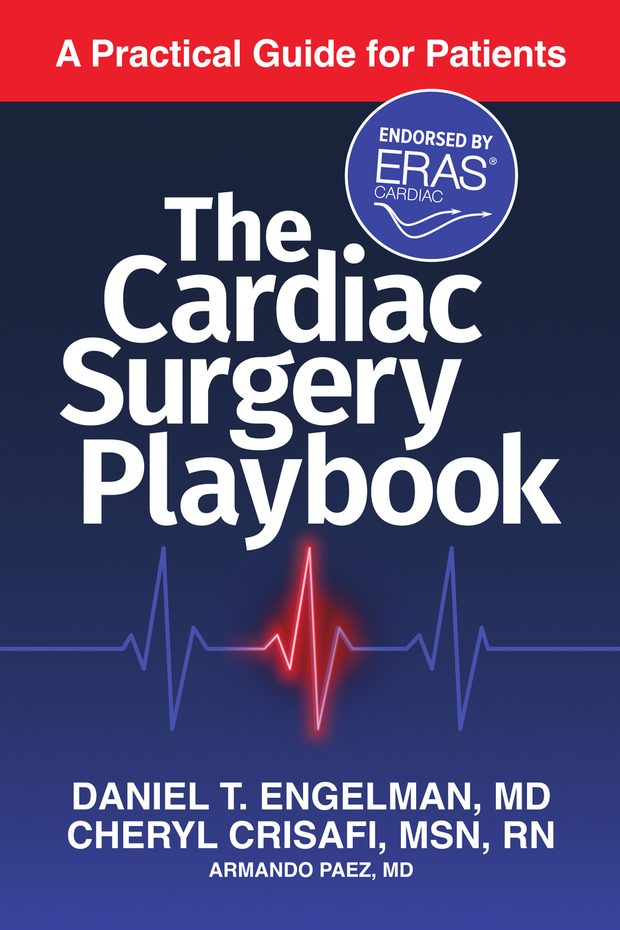
Go deeper in the book. Chapter 13: Enhanced Recovery After Surgery (ERAS); Chapter 19: Recovery: From Intensive Care to the Journey Home. Written by a cardiac surgeon, a cardiac surgery nurse and an infectious disease physician, with worksheets you can fill in for your own care.
Paperback Hardcover KindleThis page is general education, not medical advice. Your own surgeon and care team know your situation best. If you think you are having a medical emergency, call 911.