Warning Signs After Heart Surgery: When to Call and When to Go to the ER
Recovery at home rarely follows a straight line. Knowing what is common spares you needless worry. Knowing the warning signs tells you when a call is truly needed, and how urgent it is. This page sorts the common situations into three levels. When in doubt, it is always reasonable to call your team.
Red: seek emergency care now
Call 911 or go to the emergency room for any of these. Do not drive yourself.
- Chest pain or pressure that is severe or lasting, feels like the chest pain you had before surgery, spreads to the arm, neck, or jaw, or comes with sweating, nausea, or shortness of breath
- Severe shortness of breath that rest does not relieve
- Fainting, or a racing, irregular heartbeat with fainting or near-fainting
- Signs of a stroke: sudden weakness or numbness on one side, facial drooping, trouble speaking, or loss of vision
- Coughing or vomiting blood, or bleeding that will not stop
- Sudden shortness of breath with chest pain that is worse on a deep breath, which can signal a clot in the lungs
- Any thoughts of harming yourself: call or text 988, the Suicide and Crisis Lifeline, or seek emergency care right away
Yellow: call your surgical team today
The surgical team can be reached at any hour. Do not sit on a worry that cannot wait until morning.
- Drainage, increasing redness, swelling, warmth, or pain at any incision
- A clicking, shifting, or popping feeling in your breastbone, or a sense that it is loose
- Fever of about 101 degrees Fahrenheit, or the threshold your team gave you, or chills and feeling generally unwell
- A fast or irregular heartbeat, or palpitations, without fainting
- New or worsening shortness of breath
- A sudden weight gain of two pounds in a day or five pounds in a week
- New or worsening swelling in the legs or ankles
- Pain, swelling, warmth, or redness in one calf or thigh, which can signal a clot in a leg vein
- Nausea, vomiting, or diarrhea that will not settle
- New confusion
- Chest discomfort that changes with breathing or position
- Low mood that lasts more than two weeks
- A medicine side effect that worries you, or surgical pain that is not controlled
Green: call the office during business hours
Routine questions and tasks: prescription refills, scheduling, discharge paperwork, home health questions, and forms for work or leave. Also call if something simply does not feel right and you would like advice.
What is normal in the first weeks
In the first week or two, you will tire quickly and need frequent rest. Appetite is often poor, food can taste odd, and sleep is frequently broken, sometimes with vivid dreams. Mild constipation and some swelling in the legs and ankles are expected.
Around three to five days after coming home, many people hit an emotional dip and feel lower or more tearful than they expected. This is common and usually lifts on its own.
Soreness along the incision, a pink or numb scar, and a firm ridge along the breastbone are all part of normal healing. Our page on chest pain after heart surgery explains how to tell healing soreness from heart pain.
Whom to call: surgeon or cardiologist?
In the first weeks, your surgeon's team is your first call for anything to do with the operation and your early recovery. That rule holds until your first cardiology visit after surgery, usually around six to eight weeks. The surgical team knows exactly what was done, and most early problems are surgical ones.
Your cardiologist remains your long-term heart doctor and takes the lead again as early recovery settles. Ask your cardiologist about longer-term medicines for blood pressure, rhythm, cholesterol, or heart function, and about valve or device follow-up. Your primary care clinician manages your other conditions.
Your discharge papers list exactly whom to call. Keep them within reach, and write the numbers somewhere your family can find them.
Daily checks that catch problems early
Weigh yourself at the same time every morning, after using the bathroom and before breakfast. Take your temperature once a day. Look at your incisions each day. If your team asks, check your blood pressure and pulse at the same times each day and write the numbers down.
When you walk, use the talk test. You should be able to speak in full sentences. If you are too breathless to talk, slow down.
Learn more in The Cardiac Surgery Playbook
Chapter 19 explains what is normal at home and whom to call. Chapter 21, When Things Do Not Go as Planned, describes the common complications and their warning signs. The When and Whom to Call guide at the back of the book puts this list on one page, with space for your team's phone numbers. Our free printable checklists are a companion to it.
Common questions
What is a fever after heart surgery?
Most teams use about 101 degrees Fahrenheit as the threshold to call, or whatever number your team gave you. Chills and feeling generally unwell also warrant a call.
Should I call my surgeon or my cardiologist after heart surgery?
Your surgeon's team, for anything in the first weeks, until your first cardiology visit at about six to eight weeks. After that your cardiologist takes the lead for long-term heart care.
What does sudden weight gain mean after heart surgery?
Two pounds in a day or five pounds in a week usually means fluid is building up. Call your surgical team the same day. They may adjust your water pill.
Is it normal to feel down after heart surgery?
Yes. Many people have an emotional dip three to five days after coming home, and it usually lifts on its own. Low mood that lasts more than two weeks deserves a call to your team.
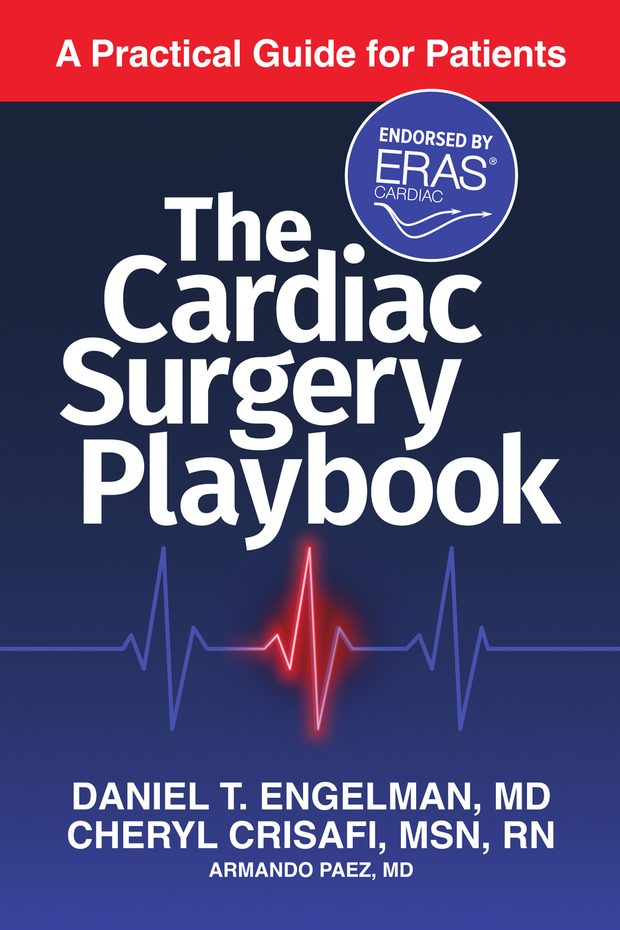
Go deeper in the book. Chapter 19: Recovery: From Intensive Care to the Journey Home; Chapter 21: When Things Do Not Go as Planned. Written by a cardiac surgeon, a cardiac surgery nurse and an infectious disease physician, with worksheets you can fill in for your own care.
Paperback Hardcover KindleThis page is general education, not medical advice. Your own surgeon and care team know your situation best. If you think you are having a medical emergency, call 911.