Sex, Travel, and Returning to Work After Heart Surgery
Three questions come up in almost every recovery, and two of them are rarely asked out loud. When can I have sex again? When can I fly? When can I go back to work? Each returns on its own timeline. Specific dates come from your team and depend on your operation, but the general rules below are the ones most surgeons use.
Resuming sex
Sex is a normal and healthy part of life, and most people return to it comfortably after heart surgery. It is a common worry that few patients feel able to raise, so here it is, plainly.
For most people recovering well from an uncomplicated operation, it is generally safe to resume sex within a few weeks, often around four to six. A good rule of thumb: if you can climb two flights of stairs briskly without chest pain, undue breathlessness, or palpitations, your heart can usually handle sex.
Protect your breastbone until it has healed, usually at least six to eight weeks. Avoid positions that put weight or strain on your arms, chest, or healing incision, and let your partner take the more active role at first. Choose a time when you are rested and relaxed, not just after a large meal or alcohol. Begin gently. Stop and rest if you feel chest pain, marked shortness of breath, dizziness, or a racing or irregular heartbeat.
If desire or performance has dipped
It is common, and temporary, for desire or performance to dip after surgery. Fatigue, pain, low mood, medicines, and anxiety about the heart all play a part. It usually improves as you recover, and cardiac rehab often helps. Some heart medicines, such as certain beta blockers, can affect libido or erections. If this becomes a problem, tell your team. There are often alternatives.
One important warning: men taking nitrates for chest pain must not use erectile dysfunction drugs such as sildenafil (Viagra) or similar medicines. The combination can cause a dangerous drop in blood pressure. Always check with your team first.
If you had a more complex operation or have ongoing symptoms, ask your surgeon or cardiac rehab team when it is safe and what to watch for. It is a routine question for them.
Flying and travel
Most people can fly again a few weeks after heart surgery, but check with your surgeon first. Many teams suggest waiting until your incision is healing well and you can walk moderate distances comfortably, often around two to four weeks for an uncomplicated recovery. Complications can push that back.
Long flights add one specific concern: the risk of leg clots from sitting still. On any long journey, get up and walk now and then, do ankle exercises, stay hydrated, and consider over-the-counter compression socks.
Practical travel tips
- Carry your medicines in your carry-on bag, with a list of them and a brief summary of your operation
- If you have a pacemaker or another implanted device, ask your team for a device card or letter and show it to security staff, who can screen you by other means
- Mechanical valves and sternal wires almost never set off airport detectors
- Arrange travel insurance that covers your recent surgery
- Until you are cleared and feeling strong, keep trips short and unhurried
- Know where the nearest hospital is at your destination, and keep your team's phone number with you
Returning to work
When you can return to work depends on your operation, how recovery is going, and what your job demands. After surgery through the breastbone, many people with desk-based or light work return in about six to eight weeks. Jobs with heavy lifting, physical labor, or long-distance driving often require three months or more, until the breastbone has fully healed.
If you had a minimally invasive procedure, the timeline may be shorter. Your surgeon will guide you, and a phased or part-time return is often wisest. Fatigue can still surprise you after small efforts in the first two months, so plan for shorter days at first.
Sort out the paperwork before surgery
The practical and financial side deserves attention, ideally before the operation. Find out what paid sick leave, short-term disability, or family and medical leave you are entitled to receive. Ask your employer's human resources or benefits office what paperwork is needed. Your surgeon's office can usually complete the medical forms.
Check what your health insurance covers, including the hospital stay, cardiac rehab, medicines, and home services. Ask the hospital about financial counseling if costs are a worry. Sorting these out early removes a major source of stress.
Driving fits in here too
Driving usually waits about four to six weeks after surgery through the breastbone, and only once you are off opioid pain medicine, can turn and brake without hesitation, and are thinking clearly. Our page on driving, showering, and sleeping has the full checklist. Returning to work often depends on being cleared to drive first.
Learn more in The Cardiac Surgery Playbook
Chapter 19, Recovery: From Intensive Care to the Journey Home, covers driving, intimacy, work, and travel in one section, along with the sternal precautions that shape each timeline. Chapter 20 explains how cardiac rehabilitation builds the confidence to return to all of them.
Common questions
When can I have sex after open heart surgery?
Often around four to six weeks for an uncomplicated recovery, once you can climb two flights of stairs briskly without symptoms. Protect your breastbone until it has healed, usually at least six to eight weeks, and ask your team if you are unsure.
When can I fly after heart surgery?
Often around two to four weeks for an uncomplicated recovery, once your incision is healing well and you can walk moderate distances. Check with your surgeon first, and move your legs often on long flights.
How long after heart surgery can I go back to work?
About six to eight weeks for desk-based or light work after surgery through the breastbone. Heavy lifting, physical labor, or long-distance driving often needs three months or more. A phased return is often wisest.
Will my sternal wires or mechanical valve set off airport security?
Almost never. If you have a pacemaker or another implanted device, carry a device card or letter from your team and show it to security staff.
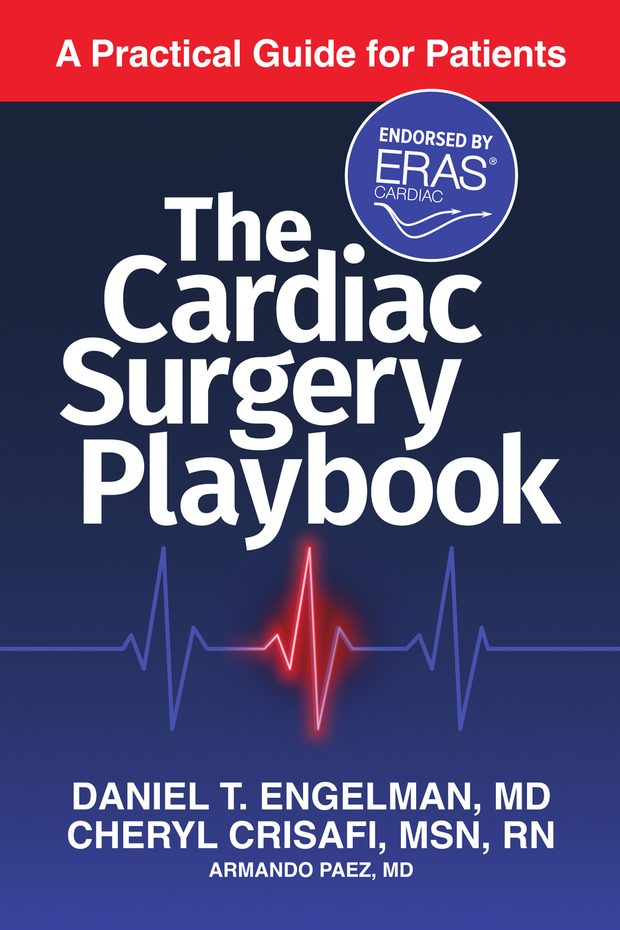
Go deeper in the book. Chapter 19: Recovery: From Intensive Care to the Journey Home; Chapter 20: Cardiac Rehabilitation and Regaining Your Strength. Written by a cardiac surgeon, a cardiac surgery nurse and an infectious disease physician, with worksheets you can fill in for your own care.
Paperback Hardcover KindleThis page is general education, not medical advice. Your own surgeon and care team know your situation best. If you think you are having a medical emergency, call 911.