Driving, Showering, and Sleeping After Heart Surgery
After the big questions about the operation are answered, the practical ones take over. When can I drive? Can I get my incision wet? How am I supposed to sleep like this? Here are the usual answers. Programs differ on the details, so your own team's instructions come first.
Driving: why you wait
After surgery through the breastbone, most programs ask you not to drive for about four to six weeks. Some allow it sooner after a minimally invasive operation. There are three reasons for the wait. The healing breastbone could be injured by a sudden turn of the wheel, a hard brake, or an airbag. Pain medicines and tiredness slow your reactions. And your heart rhythm and blood pressure need time to settle.
Before you drive again, you should be off opioid pain medicine, able to turn your upper body freely, and able to press the brake hard without hesitation. Start with short trips near home in daylight. Your surgeon or cardiologist may also want to see you first. Some programs are developing newer approaches that allow fewer sternal precautions and earlier driving. Only your own care team can tell you whether that applies to you. Once you do drive, let pain be your guide. If turning the wheel hurts your chest, stop driving for now and give the bone more time. If you have a commercial license, different rules may apply, so ask.
Riding as a passenger
You can ride as a passenger from the day you leave the hospital. Always wear the seat belt. The belt protects you far more than it hurts, and the risk from a crash without it is much greater than the risk to your incision. If the strap rubs, place a small folded towel between the belt and your chest. Never put a pillow in front of the airbag.
Keep early rides short. Sitting still for an hour or more raises the chance of a blood clot in the legs, so stop and walk for a few minutes on longer trips. Ask your team before flying or taking a long journey.
Showering with a chest incision
Most people can shower within a few days of surgery, once the team removes the dressing and says it is fine. Studies in heart surgery patients have not shown a higher infection risk from early showering. Baths, hot tubs, and swimming pools are different. Soaking softens the healing skin and lets water sit against the wound. Wait until the incision is fully closed with no scabs, often about four to six weeks, and ask your team before you soak. A few tips:
- Use warm, not hot, water. Let the spray hit your back and shoulders rather than directly on the incision.
- Wash gently with mild soap and your hand, not a washcloth or sponge, and rinse well.
- Pat the incision dry with a clean towel. Do not rub. Leave it open to the air unless your team told you to cover it.
- No lotions, powders, or ointments on the incision unless your team says to.
- Sit on a shower chair or bench for the first week or two, and have someone within earshot. Warm water and standing can make you lightheaded.
- Do not use your arms to pull yourself up or to brace on the walls. Use your legs.
Sleeping: what to expect
Poor sleep is one of the most common complaints in the first weeks. Pain, a stiff chest, broken sleep habits from the hospital, and daytime naps all play a part. Vivid dreams and waking at odd hours are common. For most people sleep returns to normal over a few weeks.
Sleep on your back at first. It puts no pressure on the breastbone. A pillow under your knees eases strain on the lower back. Many people sleep in a recliner for the first week or two because it is easier to get in and out of. Side sleeping is usually fine once it is comfortable, often after a few weeks. Hug a pillow against your chest for support. Avoid lying on your stomach until the breastbone has healed. Follow your team's advice on positions.
Getting in and out of bed safely
The hard part is not lying down but getting up. Pushing on the mattress with your arms strains the healing breastbone, and so does being pulled up by a helper.
- To get in: sit on the edge of the bed, lower yourself onto your elbow and then your side, and bring your legs up as one unit.
- To get out: roll onto your side with knees bent, swing your legs over the edge, and let their weight help lift your upper body as you push up with your elbow, keeping both arms close to your body.
- Rest a moment on the edge before you stand, so you are not dizzy.
- A firm mattress, a raised bed, or a bed rail your team approves can all make this easier.
- Whatever the task, if it causes pain in your chest, stop. Pain means the bone is not ready. Try again in a few days or ask your team.
Small steps toward better sleep
Keep a regular bedtime and wake time. Walk during the day. Limit naps to about thirty minutes, and not late in the afternoon. Skip caffeine after lunch and alcohol in the evening. Take your pain medicine as scheduled so pain does not wake you, but do not use opioids as a sleeping pill. If you snore heavily or stop breathing in your sleep, tell your team, since sleep apnea is common in heart patients and treatable. Ask before taking any over-the-counter sleep aid, because some interact with heart medicines. If sleep is still poor after several weeks, or low mood comes with it, talk with your team. Our page on emotions after heart surgery explains why the two often go together.
Learn more in The Cardiac Surgery Playbook
The Cardiac Surgery Playbook covers all of this in Chapter 19: Recovery: From Intensive Care to the Journey Home, including the section Driving, Lifting, and Returning to Activity, and guidance on pain control and sleep. Chapter 15: Preventing Surgical Site Infections explains incision care in more detail.
Common questions
When can I drive after open heart surgery?
Most programs ask you to wait about four to six weeks after surgery through the breastbone, and until you are off opioid pain medicine and can react quickly. Some allow earlier driving after minimally invasive surgery. Ask your own surgeon.
What if driving hurts my chest after heart surgery?
Stop driving for now and tell your team. Pain means the breastbone needs more time. Minimally invasive surgery and newer recovery programs allow earlier driving for some people, but your own surgeon decides when you are ready.
Can I take a bath after open heart surgery?
Showers are usually fine within a few days once your team allows. Baths, hot tubs, and pools wait until the incision is fully healed with no scabs, often about four to six weeks. Ask your team before you soak.
Can I sleep on my side after open heart surgery?
Sleep on your back at first. Side sleeping is usually fine once it is comfortable, often after a few weeks, with a pillow hugged to your chest. Avoid sleeping on your stomach until the breastbone has healed, and follow your team's advice.
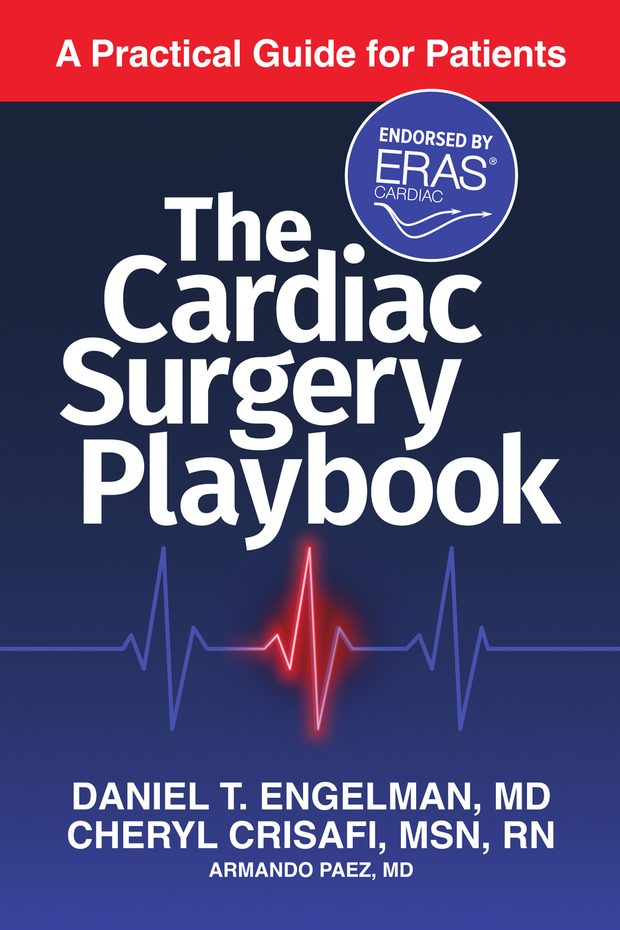
Go deeper in the book. Chapter 19: Recovery: From Intensive Care to the Journey Home; Chapter 15: Preventing Surgical Site Infections. Written by a cardiac surgeon, a cardiac surgery nurse and an infectious disease physician, with worksheets you can fill in for your own care.
Paperback Hardcover KindleThis page is general education, not medical advice. Your own surgeon and care team know your situation best. If you think you are having a medical emergency, call 911.