Eating and Nutrition Before and After Heart Surgery
Food is part of your treatment. Before surgery, it helps you arrive stronger. In the first weeks afterward, it supplies the raw material for healing. Later, it protects the repair your surgeon made. The targets change at each stage. Here is what to aim for, and what to ask your team or a dietitian.
Before surgery: build your reserve
The weeks before surgery are a chance to get stronger, a step called prehabilitation. Eat a balanced diet with enough protein, since protein is the raw material of healing. If you are underweight or eating poorly, ask about nutrition supplements.
If you are overweight, slow and modest weight loss can help. Do not crash-diet in the final weeks before surgery. Your body needs reserves.
Your team may run a blood test that checks a marker of your nutrition, along with your blood count and blood sugar. If you are anemic or your blood sugar is poorly controlled, these can often be improved before surgery. Our page on preparing for heart surgery covers the full plan.
Eating and drinking right before surgery
The old rule of nothing after midnight has changed in many programs. You may be allowed clear liquids until about two to four hours before surgery, sometimes with a special carbohydrate drink. Rules differ for some people, such as those who use insulin. Always follow your own team's instructions exactly.
The healing weeks: eating to repair
In the first weeks after surgery, your body needs more protein and energy than usual to repair tissue. Yet appetite is often poor, and food can taste odd or metallic. This is normal.
Include a source of protein at every meal. If your appetite is low, try small, frequent meals and a protein supplement between them. A common target while healing is roughly 80 to 110 grams of protein a day, or about 25 to 35 grams per meal plus protein-containing snacks. Ask your team or a dietitian for the number that fits you, especially if you have kidney disease.
A serving of meat, poultry, or fish is about the size of the palm of your hand. Eggs, dairy, beans, lentils, nuts, and tofu all count too.
Fluids, constipation, and water pills
Drink enough fluid unless your team has set a limit. Constipation is common in the early weeks, especially with pain medicine. Fluids, fiber, and stool softeners all help.
Many people go home on a diuretic, or water pill, to clear extra fluid. These can flush out potassium and magnesium, so your blood is checked and you may be given supplements. Weigh yourself every morning. A sudden gain of two pounds in a day or five pounds in a week can mean fluid is building up, and that requires a call to your team.
Salt: the number that matters
Keeping sodium down helps control fluid and blood pressure. A common goal is no more than 2,300 milligrams a day, or about 600 milligrams per meal. For many people, 1,500 milligrams is an even better long-term target. Your team may set a different number for you.
In the first healing weeks, your team may allow a higher limit while your appetite returns. The lower numbers are your lifelong goals once early recovery is complete.
Most of the salt we eat is hidden in processed, packaged, and restaurant food, not in the salt shaker. Flavor food with garlic, onion, pepper, thyme, ginger, basil, oregano, lemon, and curry instead. Ask your team before using a potassium-based salt substitute.
If you take warfarin
Some blood thinners, especially warfarin, are affected by diet. Keep your intake of foods rich in vitamin K, such as leafy greens, broccoli, and Brussels sprouts, steady from week to week. You do not need to avoid them. Try not to swing up and down, and ask before making large changes.
For life: eating to protect your heart
Once you are healed, the goal shifts from repair to protection. A heart-healthy pattern is rich in vegetables, fruit, whole grains, and lean protein. It is low in salt, saturated fat, and added sugar.
Aim for three to six servings of whole grains a day and a fruit or vegetable with every meal. Limit saturated and trans fats, which build plaque in arteries. Saturated fats are found in animal fats and in coconut and palm oil. A dietitian can tailor all of this to you, so ask for a referral if it would help.
Learn more in The Cardiac Surgery Playbook
Chapter 14, Preparing for Surgery, covers prehabilitation and eating before the operation. Chapter 19 explains eating to heal and the daily weight check. Chapter 24, Protecting Your Heart for Life, sets out the lifelong pattern. The Heart-Healthy Eating guide at the back of the book lists protein-rich foods, high-sodium foods to limit, and daily goals in one table.
Common questions
How much protein do I need after heart surgery?
A common target while healing is about 80 to 110 grams a day, spread across meals and snacks. Ask your team for your own number, especially if you have kidney disease.
How much salt can I have after heart surgery?
A common goal is no more than 2,300 milligrams of sodium a day, and 1,500 milligrams is a better long-term target for many people. Your team may allow more in the first healing weeks and may set a different number for you.
Why does food taste strange after heart surgery?
A metallic or odd taste and a poor appetite are common in the first week or two. They usually improve over weeks two to four. Small, frequent meals and a protein supplement can fill the gap.
Can I eat leafy greens on warfarin?
Yes. Keep the amount steady from week to week rather than avoiding them. Tell your team or the blood thinner clinic before making a large change to your diet.
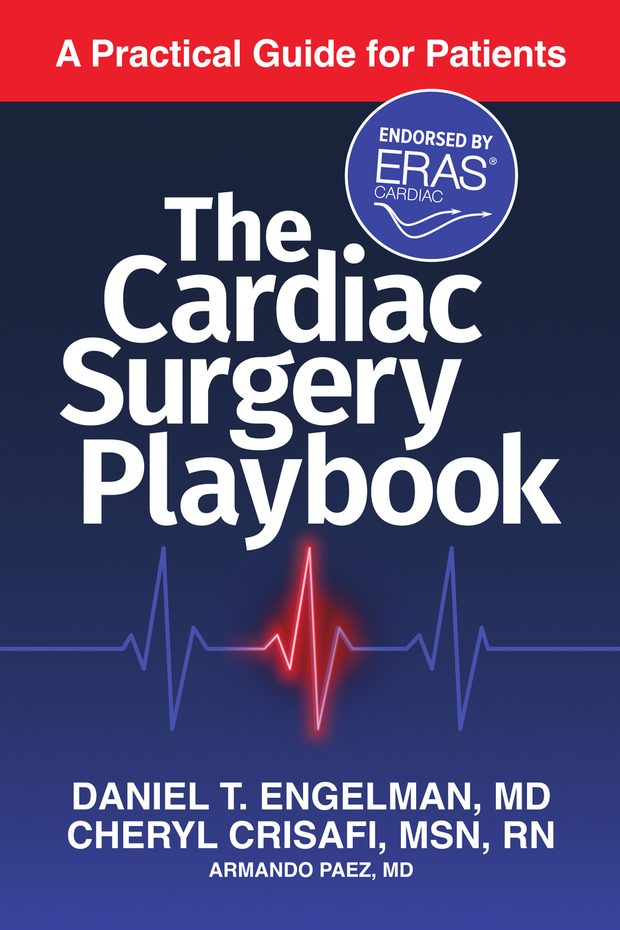
Go deeper in the book. Chapter 14: Preparing for Surgery: Getting Your Body and Life Ready; Chapter 19: Recovery: From Intensive Care to the Journey Home; Chapter 24: Protecting Your Heart for Life. Written by a cardiac surgeon, a cardiac surgery nurse and an infectious disease physician, with worksheets you can fill in for your own care.
Paperback Hardcover KindleThis page is general education, not medical advice. Your own surgeon and care team know your situation best. If you think you are having a medical emergency, call 911.