Going Home After Heart Surgery: Discharge Day and the First 48 Hours
Leaving the hospital is a milestone, and for many people a little frightening. The monitors and nurses are gone, and you are in charge. This page walks through what discharge day usually looks like and what the first two days at home tend to bring. Your team's written instructions always come first. Keep them within reach.
How your team decides you are ready
For most people the hospital stay lasts roughly four to seven days. Before you leave, the team runs through a short list. You can walk the distances you will need at home and, if you have stairs, you have tried a flight. You are eating normally, and your bowels have started moving. Your heart rate, rhythm, and blood pressure have held steady for about a day. Pills keep your pain at a tolerable level. Blood tests are stable, and most of the fluid you gained after surgery has cleared.
Expect your medicines to be adjusted several times in those last days. That is tuning, not trouble. If the team feels you need more help first, they may suggest a short stay in a rehabilitation facility. Think of it as a bridge to home, not a change of destination.
What discharge day looks like
The day often moves slowly and then all at once. Set up your ride in advance, and be dressed and packed before your driver arrives. If temporary pacing wires are still in, they come out at the bedside first, a quick step that is rarely more than briefly uncomfortable. A nurse then reviews your written instructions and every medicine on your list. Ask about anything that is unclear now, rather than on your first night home. Our page on medicines after heart surgery explains why the list changes.
You will usually go home with printed instructions, your incentive spirometer, and compression stockings. Many people also have a visiting nurse or home health service arranged for wound checks, medicines, and early activity. Ask whether that applies to you.
What to have ready at home
A little preparation before surgery makes the first days easier. If you can, have these in place:
- A bathroom scale for a daily morning weight, and a thermometer
- A home blood pressure cuff if your team asked you to track it
- A mild soap for showering
- A soft bra without underwire, if you wear one
- A firm pillow to hug when you cough, including one for the car ride home
- Low-salt foods, plus protein-rich meals and snacks
- A firm chair that is easy to rise from, and someone to stay with you, or at least look in daily, for the first week or two
- Discharge papers, phone numbers, and your medicine list kept together in one place
The ride home
You will not be driving. Always wear the seat belt. If the strap rubs the incision, place a small folded towel between the belt and your chest, but never put a pillow in front of the airbag. On a long drive, stop about every hour to get out and take a few steps. Expect to be more tired than you thought possible by the time you reach your door.
The first 48 hours: a simple plan
The first two days are about rhythm, not achievement. A pattern that works for most people:
- Morning: weigh yourself after using the bathroom and before breakfast, take your temperature, look at your incisions, and take your morning medicines with food
- Several short walks spread through the day rather than one long one, keeping a pace at which you can still talk in full sentences
- The spirometer roughly ten breaths each waking hour, followed by a pillow-supported cough
- Small, frequent meals with protein in each one, even when appetite is poor, and plenty of fluid
- Pain medicine on schedule rather than only when pain flares, and a stool softener or laxative from day one as directed
- Rest between activities, but in a chair during the day rather than in bed, and a normal bedtime with the pillow close by
What is normal in those first days
You will tire fast and need frequent rests. Food may taste strange and appetite is often poor. Sleep is broken and dreams can be vivid. Mild constipation and puffy ankles are expected. Many people hit an emotional low around the third to fifth day at home and feel tearful without knowing why. That dip is common and usually passes on its own. Our page on emotions after heart surgery explains when to ask for help.
Incisions that are pink, tender, numb, or itchy, and a firm ridge along the breastbone, are all part of healing. Our week-by-week recovery page describes how things usually unfold from here.
Lifting, driving, and the breastbone
If your operation went through the breastbone, follow your sternal precautions: elbows tucked in when you lift, push, or pull, no pushing up from a chair with your arms spread wide, and the pillow for every cough. Most teams keep these rules for about six to eight weeks and ask you not to drive for roughly four to six, and only once you are off opioid pain medicine and can react quickly. Our pages on incision and breastbone care and driving, showering, and sleeping have the details.
These timelines are changing. With minimally invasive techniques some of these numbers can be shortened, and teams are developing systems that allow reduced sternal precautions and earlier driving. You must check with your own practitioner about what applies to you. Either way, let pain be your guide. If something hurts, stop what you are doing and allow the bone to heal.
Whom to call, and when
For the first weeks, the surgical team is your first call about anything connected to the operation, day or night. Your first visit, often a wound check, usually falls within one to four weeks of discharge. Your cardiologist takes over again at around six to eight weeks.
Call 911 or go to the emergency room for chest pressure or squeezing, severe breathlessness, fainting, or signs of a stroke such as sudden one-sided weakness, a drooping face, or slurred speech. Call your surgical team today for a fever of about 101 degrees Fahrenheit, a wound that is red, draining, or opening, a breastbone that clicks or shifts, a weight gain of two pounds in a day or five in a week, new or worsening shortness of breath, a racing or irregular heartbeat, or pain or swelling in one calf. Our warning signs page sorts every common situation by urgency.
Learn more in The Cardiac Surgery Playbook
Chapter 19 covers the readiness checklist, discharge day, what to have at home, and the daily checks that catch problems early. The book's bedside guide for family members, and our caregiver guide, help whoever is looking after you. Our free printable checklists include a going-home list.
Common questions
How long do you stay in the hospital after open heart surgery?
Usually about four to seven days. The stay is longer if a complication such as an irregular heart rhythm or extra fluid needs treating. Some people then go to a short rehabilitation stay before home.
What should I do the first day home after heart surgery?
Keep it simple: weigh yourself, take your medicines on schedule, use the spirometer every hour, take several short walks, eat small protein-rich meals, and rest in a chair rather than in bed. Go over your discharge papers once more with whoever is helping you.
Can I be alone after heart surgery?
Most teams want someone to stay with you, or at least check in every day, for the first week or two, for safety, meals, medicines, and rides to appointments. If that is not possible, tell your case manager before discharge so home services can be arranged.
Why do I feel worse at home than I did in the hospital?
The trip home is tiring, the excitement of discharge fades, and the routines of the ward are gone. An emotional dip a few days after coming home is also common. If low mood lasts more than two weeks, or you feel physically worse rather than slowly better, call your team.
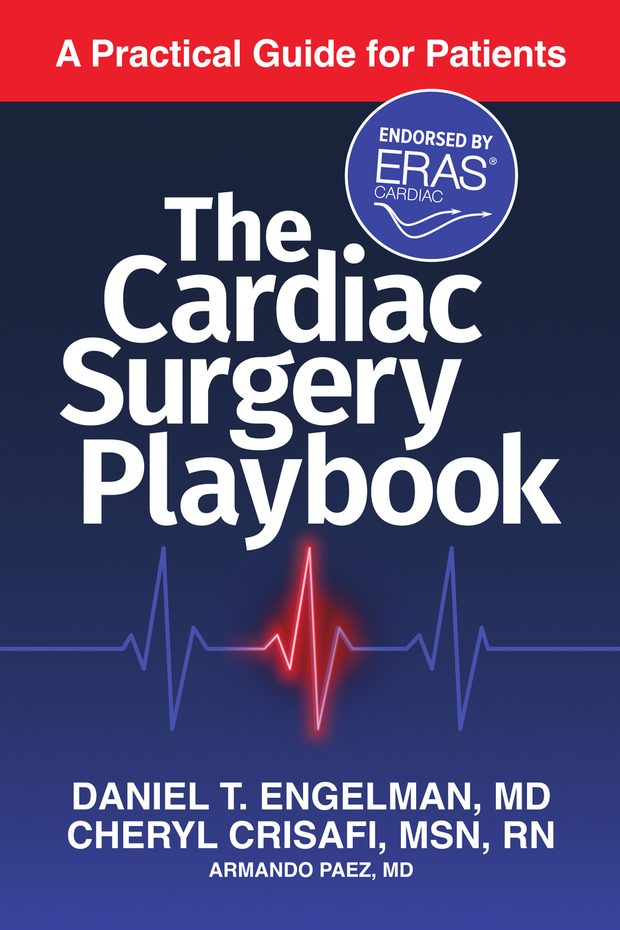
Go deeper in the book. Chapter 19: Recovery: From Intensive Care to the Journey Home; Chapter 21: When Things Do Not Go as Planned. Written by a cardiac surgeon, a cardiac surgery nurse and an infectious disease physician, with worksheets you can fill in for your own care.
Paperback Hardcover KindleThis page is general education, not medical advice. Your own surgeon and care team know your situation best. If you think you are having a medical emergency, call 911.