Anemia, Iron, and Blood Transfusion Before Heart Surgery
Some bleeding is expected during heart surgery. Whether you need a blood transfusion depends partly on how much blood you bring to the operation. That is why your team checks for anemia weeks ahead, and why treating it in advance is one of the most useful steps you can take. This page explains patient blood management and the choices you have.
What anemia is and why it matters before surgery
Anemia means having too few healthy red blood cells to carry oxygen around your body. Low iron is the most common reason. Many people with heart disease are anemic without knowing it.
Blood tests before surgery check your blood count. If they show anemia, your team may treat it first. Arriving with a healthy blood count lowers the chance you will need a transfusion, and it gives you more reserve for recovery.
How anemia is treated before surgery
Treatment depends on the cause and on how much time there is before your operation. Iron can be given as tablets or, when time is short or tablets are not absorbed well, as an infusion through a vein. Some people also need vitamin B12 or folate. Your team may look for a reason, such as a source of slow blood loss, that needs attention in its own right.
Treating anemia is one of the prehabilitation steps, alongside walking, eating enough protein, steadying blood sugar, and stopping smoking. Even a short window before surgery helps. Our page on preparing for heart surgery covers the full plan.
What a transfusion involves, and its downsides
A blood transfusion can be lifesaving and is sometimes clearly needed. Bleeding heavy enough to need a transfusion is not unusual after heart surgery, and rarely bleeding means a return to the operating room to find and stop the source.
Transfused blood is a powerful treatment that carries small risks of reaction. Some studies have linked transfusion to a higher chance of infection and a slower recovery. So the modern goal is to transfuse only when you truly need it.
Patient blood management: what your team does
Patient blood management is an approach that protects and conserves your own blood and avoids a transfusion whenever it is safe to do so. It runs across the whole surgical journey.
- Before surgery: finding and treating anemia and iron deficiency, and managing blood thinners sensibly
- During the operation: surgical techniques that limit bleeding, careful control of clotting, medicines that reduce bleeding, and cell-salvage machines that collect and return your own blood
- After surgery: limiting unnecessary blood draws and using a lower, evidence-based threshold before transfusing
You have a voice
It is reasonable to ask how your team will limit bleeding and the chance you will need a transfusion. You can also share your own preferences.
Some patients, including those who decline transfusion for personal or religious reasons, work with their team on a plan that respects their wishes. Many such operations are performed safely. Whatever your views, understanding the process lets you take part in the decision. Raise it early, at the first consultation, so there is time to plan.
Questions to ask
- Am I anemic, and should it be treated before surgery?
- Do I need iron, and should it be tablets or an infusion?
- What is your approach to transfusion and patient blood management?
- Which of my blood thinners will be paused, and when?
- If I wish to avoid transfusion, can you support that, and how?
Learn more in The Cardiac Surgery Playbook
Chapter 14, Preparing for Surgery, explains prehabilitation, treating anemia, and patient blood management. Chapter 21 covers bleeding and transfusion among the complications your team watches for. Chapter 16 explains which blood thinners are paused before surgery and when.
Common questions
Why does my surgeon want to treat my anemia before heart surgery?
Arriving with a healthy blood count lowers the chance you will need a transfusion and gives you more reserve for recovery. Low iron is the most common cause and is treatable with tablets or an infusion.
Will I need a blood transfusion during heart surgery?
Some people do and many do not. It depends on your blood count going in, the operation, and how much bleeding occurs. Patient blood management aims to transfuse only when truly needed. Ask your team about your own likelihood.
Can I have heart surgery without a blood transfusion?
Many patients who decline transfusion work with their team on a plan that respects their wishes, and many such operations are performed safely. Raise it early so the team can plan.
What is patient blood management?
An approach that protects and conserves your own blood before, during, and after surgery, so a transfusion is used only when it is truly needed.
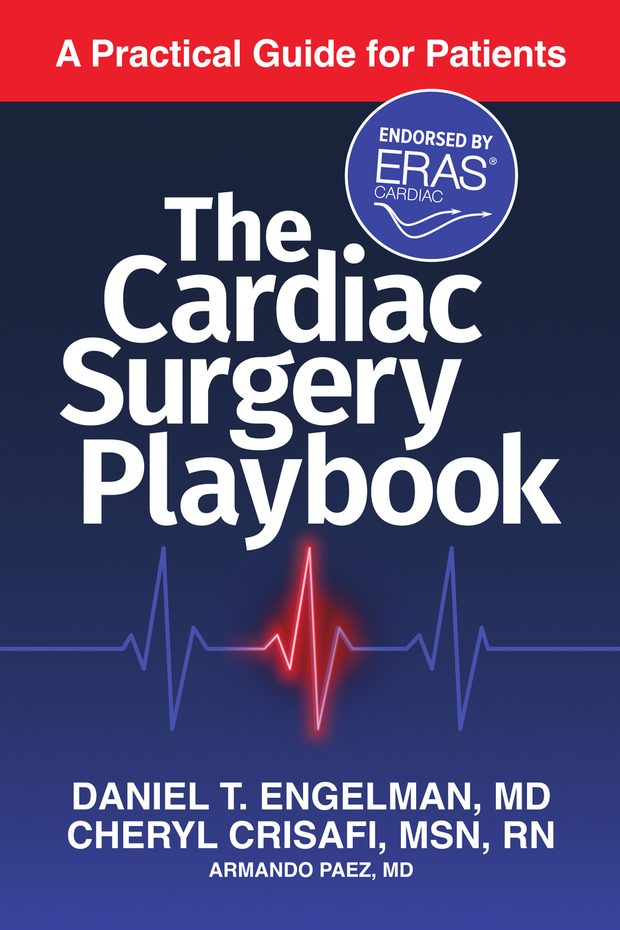
Go deeper in the book. Chapter 14: Preparing for Surgery: Getting Your Body and Life Ready; Chapter 21: When Things Do Not Go as Planned. Written by a cardiac surgeon, a cardiac surgery nurse and an infectious disease physician, with worksheets you can fill in for your own care.
Paperback Hardcover KindleThis page is general education, not medical advice. Your own surgeon and care team know your situation best. If you think you are having a medical emergency, call 911.