Memory, Confusion, and Foggy Thinking After Heart Surgery
Families are often more frightened by confusion than by anything else after heart surgery. A loved one who seems not to be themselves, especially at night, is alarming. Foggy thinking that lingers after going home is unsettling too. Both are common, both are usually temporary, and both have names. Knowing them helps.
Delirium: confusion in the first days
In the first days after surgery, some people become confused, disoriented, or unusually drowsy or agitated. Doctors call this delirium. It is common, especially in older patients, and it is often worse at night. It is almost always temporary.
Several things that come with surgery can bring it on: anesthesia and strong pain medicines, poor sleep, unfamiliar surroundings, infection, and the stress of the operation itself.
How the team prevents and treats it
The team uses the lowest helpful dose of opioids, protects sleep, and gets you up and moving early. They return your glasses and hearing aids. They keep you oriented with clocks, daylight, and familiar faces.
If new confusion appears, tell the team. They will check for treatable causes such as infection or low oxygen. Delirium almost always clears as the body heals, the medicines wear off, and normal sleep returns.
What families can do
Families help a great deal. A calm, familiar voice, a few items from home, and gentle reminders of where you are and why all speed recovery. Bring glasses and hearing aids in. Keep the room calm. Avoid arguing with a confused person about what is real. Reassure, reorient, and let the team know what you see.
Our guide for caregivers and family covers the rest of the hospital stay.
Foggy thinking after you go home
A stay in intensive care can leave its mark in three ways. Your body may feel weak and tired for a while. Your thinking may feel foggy, and you may have trouble focusing or remembering. Your mood may dip, with anxiety, sadness, or upsetting memories of your time in the hospital.
Together these are called post-intensive care syndrome, or PICS. They are common, they are not a sign of weakness, and they usually ease with time and support. Doctors named the pattern so that patients and families know these effects are real and can be treated.
What helps the fog lift
Most of what helps is the same as what helps the rest of recovery:
- Sleep. Broken sleep is common in the first weeks and improves. Our page on driving, showering, and sleeping has practical tips.
- Walking every day, and cardiac rehab once you are cleared
- Coming off opioid pain medicine as soon as you comfortably can
- Eating enough, drinking enough, and keeping blood sugar steady
- Keeping a notebook or phone list for medicines, appointments, and questions, so memory is not the only safeguard
- Staying socially connected. Isolation and low mood make fog feel worse
Driving and decisions
Do not drive until your thinking is clear and your reaction time is back to normal, with no lingering grogginess or poor concentration. That is one of the conditions your team will set, alongside being off opioids and the usual four to six weeks after surgery through the breastbone. Put off major financial or legal decisions for a few weeks if you can.
When to call
New confusion after going home deserves a same-day call to your surgical team, since it can signal infection, a medicine problem, or low oxygen. Lasting changes in thinking are uncommon, and most people return fully to themselves. If fog, memory trouble, or low mood is not improving after several weeks, tell your team or your primary care clinician. Low mood that lasts more than two weeks is worth a call on its own. Our page on emotions after heart surgery covers that side.
Seek emergency care right away for sudden weakness or numbness on one side, facial drooping, trouble speaking, or loss of vision. These are signs of a stroke, not of ordinary fog.
Learn more in The Cardiac Surgery Playbook
Chapter 19, Recovery: From Intensive Care to the Journey Home, explains delirium, post-intensive care syndrome, and what families can do. Chapter 22, The Emotional Side of Heart Surgery, covers mood, anxiety, and when to seek help.
Common questions
Is confusion normal after heart surgery?
Confusion in the first days, called delirium, is common, especially in older patients, and usually worse at night. It almost always clears as the body heals and the medicines wear off. Tell the team when you see it.
How long does brain fog last after open heart surgery?
Foggy thinking and trouble concentrating are common for weeks after an intensive care stay and usually ease with time, sleep, walking, and support. Lasting changes are uncommon. Tell your team if it is not improving after several weeks.
What can family do when a patient is confused after surgery?
Stay calm, speak in a familiar voice, bring glasses and hearing aids and a few items from home, and gently remind them where they are. Report what you see to the team. Do not argue about what is real.
When is confusion after heart surgery an emergency?
Sudden weakness or numbness on one side, facial drooping, trouble speaking, or loss of vision are signs of a stroke and need emergency care. New confusion at home without those signs still deserves a same-day call to your surgical team.
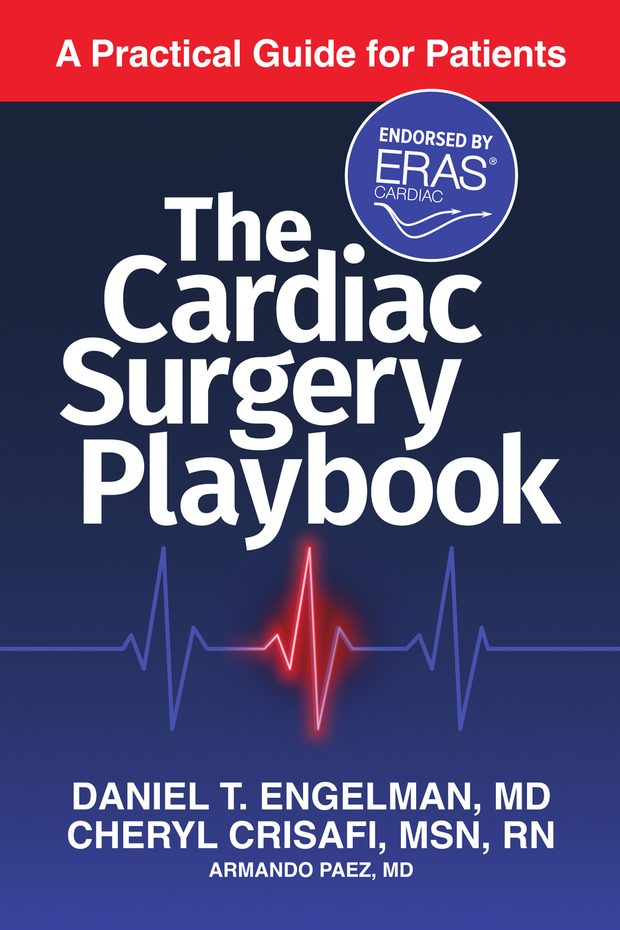
Go deeper in the book. Chapter 19: Recovery: From Intensive Care to the Journey Home; Chapter 22: The Emotional Side of Heart Surgery. Written by a cardiac surgeon, a cardiac surgery nurse and an infectious disease physician, with worksheets you can fill in for your own care.
Paperback Hardcover KindleThis page is general education, not medical advice. Your own surgeon and care team know your situation best. If you think you are having a medical emergency, call 911.