What Happens on the Day of Open Heart Surgery
The day of heart surgery often feels less frightening once you know the order of events. Here is a plain guide to what usually happens, from check-in to waking up in intensive care. Every hospital and every patient is a little different, so your own team will fill in the details.
Arriving and getting ready
Most people arrive several hours before the operation. You will change into a gown and meet members of your team. A nurse will place an IV, a small tube in a vein in your hand or arm, so you can receive fluids and medicines.
Expect to be asked your name, birth date, and procedure many times. This repeated checking is a safety habit that helps prevent mistakes. In the operating room, the team goes through a formal safety checklist. Then they pause for a final time-out to confirm the plan.
Before surgery, follow the eating and drinking cutoff time your team gives you exactly. Some teams allow a sip of water with certain medicines, or give a special clear drink a few hours ahead. Do only what your own team tells you.
Anesthesia: a deep, controlled sleep
Heart surgery is done under general anesthesia. You are fully asleep for the whole operation, so you feel and remember nothing. A doctor called an anesthesiologist keeps you asleep and comfortable and watches your vital signs the entire time.
You will meet the anesthesia team ahead of time. They will ask about your health, your medicines, and any past reactions. Once you are asleep, a breathing tube is placed and connected to a ventilator, a machine that breathes for you. Thin lines in your blood vessels track your blood pressure.
Modern anesthesia is very safe. If you are nervous about it, tell your team.
The heart-lung machine, and surgery without it
For many operations, the surgeon needs the heart to be still and empty. The heart-lung machine, also called cardiopulmonary bypass, makes this possible. It pumps your blood and adds oxygen while the heart rests. A specialist called a perfusionist runs the machine and adjusts your blood flow and temperature minute by minute.
Not every operation uses the machine. In off-pump bypass, sometimes called OPCAB, the surgeon builds the grafts while the heart keeps beating. Valve operations done through an open heart cannot be done this way. Ask your surgeon which approach fits your case and why.
The operation itself often takes several hours. Your surgeon can give you an estimate for your procedure.
Waking up in the ICU
After surgery you move to the intensive care unit, or ICU, where you are watched very closely. Many people have only hazy memories of the first hours. That is normal.
If the breathing tube is still in when you wake, you will not be able to talk. Staff are used to this and will help you answer by nodding or pointing. The tube usually comes out within a few hours of arriving in the ICU. Your throat may be sore for a day or two afterward.
You will likely be connected to several devices. Almost all of them are temporary:
- Chest tubes that drain fluid and air from around the heart and lungs, usually removed within a few days
- Thin temporary pacing wires that can help steady your heart rhythm, removed at the bedside before you go home
- A urinary catheter so the team can measure your fluid balance
- Lines in an artery and a large vein to measure blood pressure and give medicines
- Monitors for heart rhythm, blood pressure, and oxygen. Their beeps are routine and usually do not mean an emergency
Early movement and keeping family informed
Tubes and lines come out one at a time, and each one is a step forward. Do not be surprised if a nurse asks you to sit up or even stand within a day of surgery. Early movement is one of the most helpful parts of recovery.
Your family will be shown where to wait and how updates will reach them. Many centers give an update during a long operation. It helps to pick one family member as the main contact who shares news with everyone else.
In those first hours, tell your nurse right away about sudden chest pain, severe shortness of breath, or a feeling that something is seriously wrong.
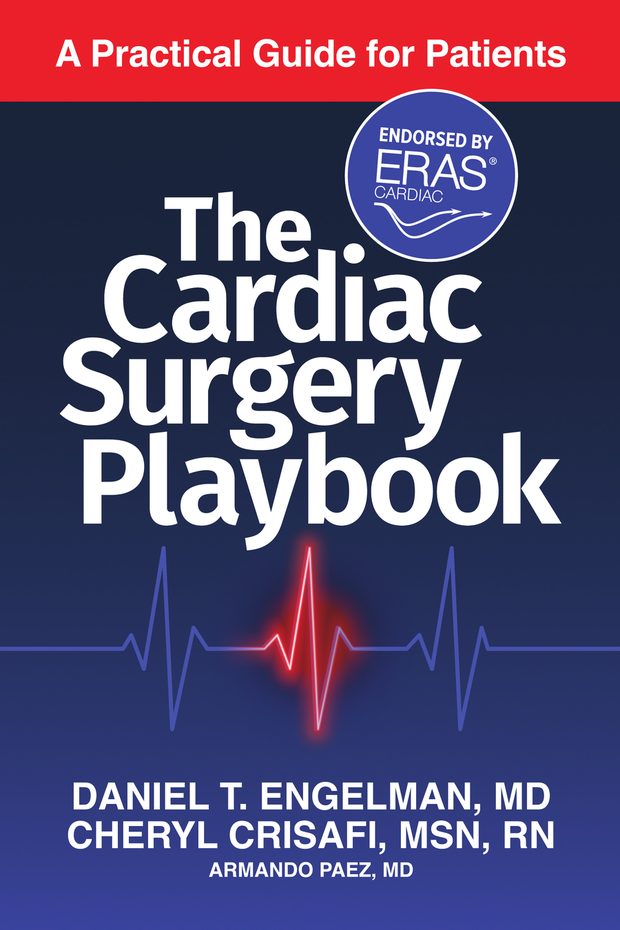
Learn more in The Cardiac Surgery Playbook
The Cardiac Surgery Playbook walks through this day in much more depth in Chapter 18: The Day of Surgery and the First Hours After. It includes diagrams of the heart-lung machine and the equipment you may see in the ICU, plus questions to ask your team.
Common questions
How long does open heart surgery take?
It depends on the operation, but it often takes several hours. Your surgeon can give you an estimate for your specific case.
When is the breathing tube removed after heart surgery?
The team usually removes it within a few hours of your arrival in the ICU, once you are awake and breathing well on your own. Your throat may feel sore for a day or two.
Will I be awake during heart surgery?
No. Heart surgery is done under general anesthesia, so you are in a deep, fully unconscious sleep and feel and remember nothing. An anesthesiologist watches over you the whole time.
Is every bypass operation done on the heart-lung machine?
Most are, but not all. In off-pump bypass the surgeon works on a beating heart. Your surgeon can explain which approach suits your anatomy and health.
This page is general education, not medical advice. Your own surgeon and care team know your situation best. If you think you are having a medical emergency, call 911.