Heart Valve Surgery: Repair or Replacement
Your heart has four valves that keep blood moving in one direction. When a valve narrows or leaks badly, surgery may be the best way to protect your heart. This guide explains the main choices you will hear about, so you can take part in the decisions with your team.
What goes wrong with a valve
Valve problems come in two main forms. In stenosis, the valve stiffens and will not open fully, so the heart has to push harder. In regurgitation, the valve does not close tightly and blood leaks backward. Either problem makes the heart work harder than it should. Over time that can cause shortness of breath, tiredness, swelling, fainting, or an irregular heartbeat.
The aortic and mitral valves on the left side of the heart are the ones most often operated on. The aortic valve most often narrows with age. The mitral valve most often leaks. An echocardiogram, an ultrasound of the heart, shows your team how severe the problem is and helps decide the timing of surgery. Many people have no symptoms until the valve disease is advanced, so your team may recommend surgery before you feel unwell.
Repair or replace?
When a valve can be repaired, surgeons generally prefer to repair it. You keep your own tissue, you usually avoid lifelong blood thinners, and a repaired valve tends to last well. A leaking mitral valve is the clearest example. In experienced hands, most leaking mitral valves caused by wear and tear can be repaired instead of replaced. Ask your surgeon how often they repair rather than replace, because results differ between surgeons and centers.
A narrowed, calcified aortic valve usually cannot be repaired. It is replaced. The mitral valve is also replaced when the damage is too great to fix.
Mechanical or tissue valve?
If you need a replacement, you and your surgeon will choose between two kinds of valve. Neither is right for everyone. The choice depends on your age, your other health conditions, how you feel about taking a blood thinner, and your own preferences.
- A mechanical valve is made of durable carbon and metal. It is built to last a lifetime. The trade-off is a daily blood thinner called warfarin for life, with regular blood tests to keep the dose in range. Some people hear a faint click from the valve, which is normal.
- A tissue valve, also called a bioprosthetic valve, is made from treated cow or pig tissue. Most people do not need a lifelong blood thinner. The trade-off is that tissue valves wear out. Many last about ten to twenty years, and they tend to wear faster in younger people.
- In general, mechanical valves are favored for younger patients and tissue valves for older patients. For people in between, the decision is shared between you and your team. When a tissue valve wears out, it can often be replaced with a catheter valve placed inside the old one, which is one reason tissue valves are chosen more often today.
Open surgery or a catheter procedure?
Some valves can now be treated without open surgery. In transcatheter aortic valve replacement, called TAVR, a new valve is delivered through a thin tube, usually from an artery in the groin, and expanded inside the old valve. Recovery is much faster, often with a hospital stay of a day or two. TAVR is an option for many people with aortic stenosis, and some catheter repairs are available for the mitral and tricuspid valves as well.
Open surgery still has advantages for some people, for example when a valve can be repaired, when more than one problem needs fixing in the same operation, or when the anatomy does not suit a catheter valve. A heart team of cardiologists and surgeons should review your case together and explain the reasons for their recommendation. Our page on questions to ask your heart surgeon can help.
Recovering from valve surgery
Open valve surgery is done through the breastbone or, at some centers, through a smaller incision between the ribs. You are fully asleep, and the heart-lung machine takes over while the surgeon works inside the heart. Most people go home about four to seven days after open surgery. The breastbone takes about six to eight weeks to heal. A smaller incision can shorten some of these times. Some programs now allow fewer sternal precautions and earlier driving. Check with your own surgeon before you change anything. If an activity causes pain in your chest, stop and let the bone heal.
After valve surgery, a short period on a blood thinner is common even with a tissue valve or a repair. Some people also develop an irregular heartbeat called atrial fibrillation in the first days. It is common, it is usually temporary, and your team watches for it. Our pages on the day of surgery and recovery after open heart surgery cover what to expect.
Caring for your new valve for life
A repaired or replaced valve needs lifelong follow-up. You will have an echocardiogram after surgery to record how the valve is working, and then regular checks for the rest of your life.
Any artificial valve or repair ring can become infected by germs that enter the bloodstream. This is called endocarditis. It is rare but serious. Protect yourself by caring for your teeth and gums, seeing a dentist regularly, and telling every dentist and doctor that you have a heart valve. Many people with artificial valves take an antibiotic before certain dental work, so ask your team whether this applies to you. Call your team about a fever that lasts more than a few days without a clear cause, or new tiredness, night sweats, or shortness of breath.
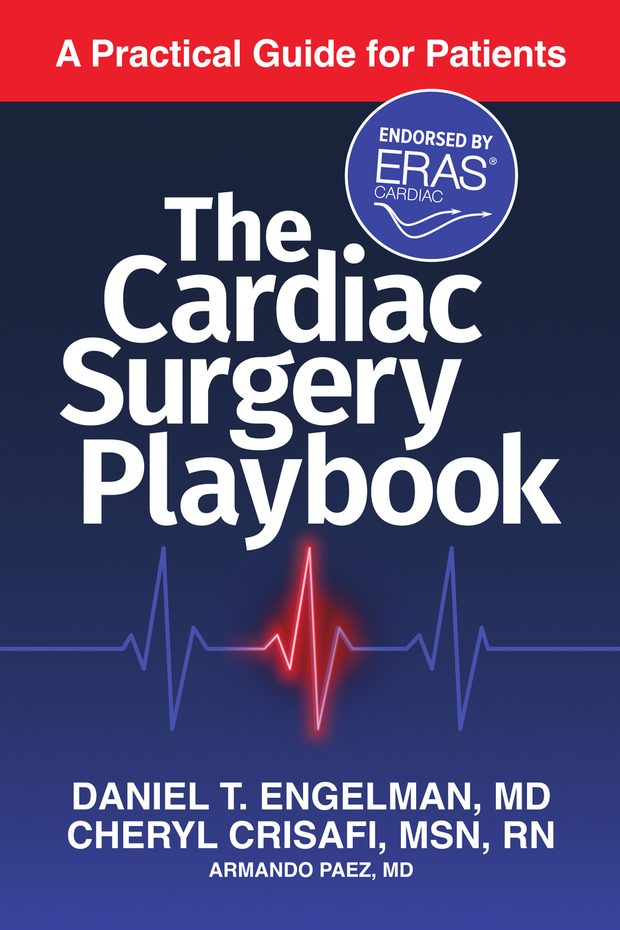
Learn more in The Cardiac Surgery Playbook
The Cardiac Surgery Playbook covers valve surgery in depth in Chapter 4: Valve Surgery, with sections on the aortic, mitral, and tricuspid valves, mechanical versus tissue valves, SAVR versus TAVR, how long valves last, and what happens when a valve wears out. Chapter 16: Medications Explained: Before and After Surgery explains blood thinners and how they are monitored.
Common questions
Is it better to repair or replace a heart valve?
When repair is possible, surgeons usually prefer it, because you keep your own tissue and often avoid lifelong blood thinners. Leaking mitral valves are often repaired. Narrowed aortic valves are almost always replaced.
How long does a tissue heart valve last?
Many tissue valves last about ten to twenty years. They tend to wear out faster in younger people. A worn tissue valve can often be replaced with a catheter valve placed inside the old one.
Do you need blood thinners after heart valve surgery?
A mechanical valve requires warfarin for life, with regular blood tests. After a tissue valve or a repair, most people need a blood thinner only for a short period, if at all. Your team will tell you what applies to you.
What is TAVR?
TAVR stands for transcatheter aortic valve replacement. A new valve is delivered through a thin tube, usually from an artery in the groin, and expanded inside the old valve without open surgery. It is an option for many people with a narrowed aortic valve.
This page is general education, not medical advice. Your own surgeon and care team know your situation best. If you think you are having a medical emergency, call 911.