Heart Surgery: A Guide for Caregivers and Family
When someone you love has heart surgery, you have a role too. Families who know what to expect worry less and help more. This guide is for the spouse, partner, adult child, or friend who will be at the bedside and at home during recovery.
Before surgery: learn the plan together
Go to the surgeon's visit if you can. Two sets of ears catch more. Take notes, and ask the questions the patient may not think to ask. Our page on questions to ask your heart surgeon is a good starting point.
Help gather a complete list of medicines, including vitamins and supplements, with doses. Make sure a health care proxy is in place and that you know the patient's wishes. Agree on one family member who will be the main contact with the hospital and will pass news to everyone else. That spares the care team from repeating updates and spares you from fielding every call.
At home, get ready before the operation. Clear walkways, set up a resting spot on the main floor if stairs are a problem, stock simple meals, and arrange the ride home. Our page on preparing for heart surgery has a checklist.
The day of surgery
The operation often takes several hours, and the whole day is long. Ask where to wait and how you will get updates. Many hospitals call the waiting room or text the main contact partway through. Bring a charger, something to read, and food. Step outside for air. Nothing you do in the waiting room changes the outcome, and you will be more useful later if you are rested.
The first visit in intensive care can be a shock, even when everything has gone well. Your family member may still have a breathing tube and will not be able to talk. There will be several tubes, lines, and monitors, and the skin may look pale, puffy, or cool. Most of this is temporary and expected. The nurse can explain each piece of equipment. Our page on the day of surgery and the ICU describes what you will see. Many patients remember little of this first day, so do not be hurt if your visit is forgotten.
In the hospital: how to help
Once the patient is awake and moving to a regular floor, your presence makes a real difference. Here is what helps most:
- Bring glasses, hearing aids, dentures, and a familiar object or photo. They help prevent confusion, which is common after heart surgery, especially in older patients.
- Encourage walking and the breathing exercises the nurses teach. Walk the hallway together and count the laps.
- Watch for sudden confusion, agitation, or sleepiness that is new, and tell the nurse. You know the person best and may notice a change before the staff does.
- Speak up if something does not seem right, such as a medicine that looks different or an allergy that is missing from the chart.
- Be present for the discharge teaching. Take notes on medicines, incision care, activity limits, and whom to call. Ask for the instructions in writing.
The first weeks at home
Plan for someone to be with the patient around the clock for about the first week, and nearby for the week or two after that. The patient cannot drive, usually for about four to six weeks, and cannot lift more than a few pounds while the breastbone heals, usually six to eight weeks. Minimally invasive operations can shorten some of these times, and some programs now allow fewer sternal precautions and earlier driving. Ask the care team what applies. Pain is the signal to stop. If an activity hurts, the patient should stop and let the bone heal. That means groceries, laundry, pets, trash, and driving to appointments fall to you or to helpers you line up.
Daily tasks that matter:
- Keep the medicine schedule. A weekly pill box and a written chart prevent missed or doubled doses. Many medicines changed during the hospital stay, so compare the new list with the old bottles.
- Record the morning weight and daily temperature. A gain of about two pounds in a day or five pounds in a week needs a call to the surgical team.
- Look at the incisions each day for spreading redness, drainage, or opening. Our page on preventing infection shows what to watch for.
- Offer small, frequent meals with protein. Appetite is poor at first and food may taste odd.
- Encourage several short walks a day, and protect rest time too.
- Expect low mood or tears around the third to fifth day home. It usually passes. If it lasts more than about two weeks, read our page on emotions after heart surgery and call the team.
When to call, and when to call 911
Keep the surgical team's number by the phone. Call the same day about a fever, a wound change, a fast or irregular heartbeat, new shortness of breath, a breastbone that clicks or shifts, or the weight gain described above. When you are not sure, call. The team would rather hear from you.
Call 911 for chest pressure or squeezing that does not go away, severe trouble breathing, fainting, or signs of a stroke such as a drooping face, a weak arm or leg, or trouble speaking. Do not drive the patient yourself in an emergency. Paramedics can begin treatment on the way.
Caring for yourself
Caregivers carry real stress, and it is often invisible. Poor sleep, worry, and the weight of being on call all day wear you down. Accept offers of help, and be specific: a meal on Tuesday, a ride to rehab on Thursday. Take breaks. Keep your own medical appointments. Talk with a friend, a counselor, or a support group if the strain builds. The patient recovers better when you are well.
Learn more in The Cardiac Surgery Playbook
The Cardiac Surgery Playbook includes a dedicated section for family members, For the Person at the Bedside, in its reference and tools section. Chapter 19: Recovery: From Intensive Care to the Journey Home covers the first weeks at home, and Chapter 22: The Emotional Side of Heart Surgery addresses the feelings that affect patients and caregivers alike.
Common questions
How long does someone need a caregiver after open heart surgery?
Plan for someone to be with the patient around the clock for about the first week and nearby for a week or two after that. Help with driving and lifting is needed for about four to eight weeks. Needs vary, so ask the care team.
What should I bring to the hospital for a heart surgery patient?
Glasses, hearing aids, dentures, a phone and charger, loose button-front tops, non-slip shoes, a current medicine list, and a familiar photo or object. Leave valuables at home.
Is confusion normal after heart surgery?
Temporary confusion, called delirium, is common after heart surgery, especially in older patients. It almost always clears. Familiar faces, glasses, hearing aids, and good sleep help. Tell the nurse about any sudden change.
When should a caregiver call 911 after heart surgery?
Call 911 for chest pressure or squeezing that does not go away, severe trouble breathing, fainting, or signs of a stroke such as a drooping face, a weak arm, or trouble speaking. Do not drive the patient yourself.
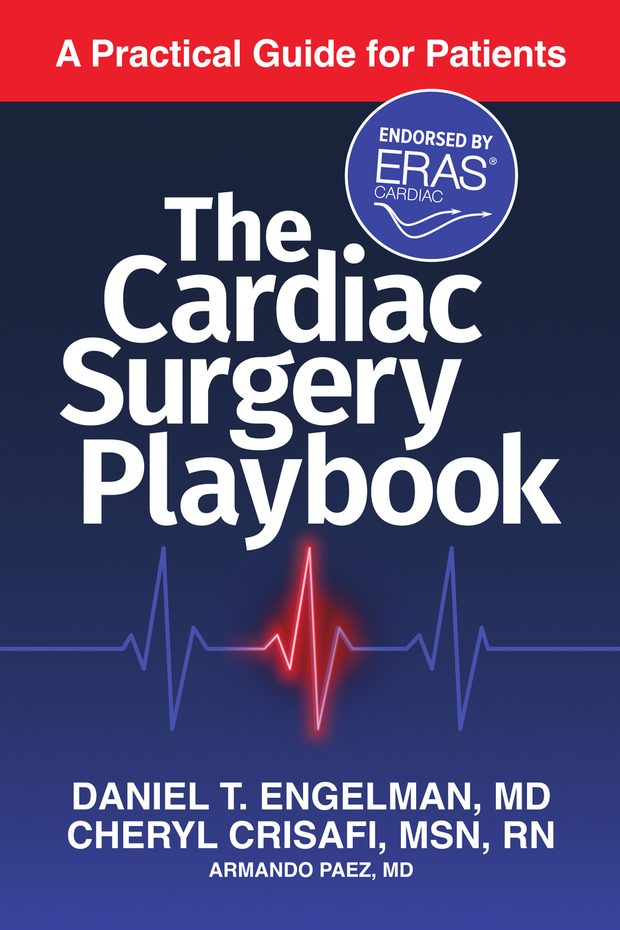
Go deeper in the book. For the Person at the Bedside (reference section); Chapter 19: Recovery: From Intensive Care to the Journey Home; Chapter 22: The Emotional Side of Heart Surgery. Written by a cardiac surgeon, a cardiac surgery nurse and an infectious disease physician, with worksheets you can fill in for your own care.
Paperback Hardcover KindleThis page is general education, not medical advice. Your own surgeon and care team know your situation best. If you think you are having a medical emergency, call 911.