Aortic Aneurysm and Aortic Surgery: What Patients Should Know
Being told you have an aortic aneurysm is unsettling, partly because few people have heard of the aorta and partly because the word sounds urgent. Often it is not. Many aneurysms are watched safely for years. Some need a planned repair. A few are true emergencies. This page explains the difference and what to expect. Your own team's advice about your aorta comes first.
What the aorta is
The aorta is the large artery that leaves the top of the heart and delivers blood to the whole body. It rises, arches over while sending branches upward, then runs down through the chest and belly. Cardiac surgeons usually treat the part in the chest nearest the heart. Vascular surgeons usually treat the part in the belly.
Aneurysm versus dissection
An aneurysm is a bulge. A stretch of the wall weakens and widens over years, much like a worn patch on a garden hose. Most aneurysms cause no symptoms and turn up on a scan ordered for some other reason. The concern is that a large one can eventually tear or burst, and the aim is to fix it before that can happen.
A dissection is a tear. The inner lining splits and blood forces its way between the layers of the wall. It strikes suddenly, with severe chest or back pain that people often describe as ripping. When the tear involves the first part of the aorta, right above the heart (type A), it is an emergency that calls for an operation within hours. When it begins farther along, past the branches to the head and arms (type B), doctors usually start with medicines to lower blood pressure and reserve surgery or a stent graft for complications.
When is an aneurysm repaired?
Timing rests mainly on size and growth. For the chest aorta, a common trigger for repair is a diameter of about 5.5 centimeters. Surgeons may move earlier, near 5.0 centimeters, if there are extra risk factors or the aneurysm is growing quickly, and near 4.5 centimeters if you already need another heart operation, since the aorta can be fixed in the same sitting.
Extra risk factors include a connective tissue disorder such as Marfan syndrome, or aortic disease in several close relatives. An aneurysm that causes symptoms is generally repaired regardless of size. Smaller ones are followed with scans at set intervals. Your team will tell you which threshold and which scan schedule apply to you. Keep those appointments even when you feel perfectly well.
Living with a watched aneurysm
While an aneurysm is being watched, blood pressure control is the main job. High pressure pushes on the weak spot. Take your blood pressure medicines exactly as prescribed and never stop them on your own. Do not smoke. Ask your team about heavy lifting and straining, since bearing down against a heavy weight sends blood pressure up sharply, and about any sports or jobs that involve straining or impact.
Some aortic disease runs in families. Ask whether your close relatives should have their own aorta checked with a scan.
What the operation involves
The surgeon removes the weak or torn section and sews in a fabric tube, called a graft, to carry blood safely again. Depending on where the problem lies, the operation may also take in the aortic valve, which is repaired or replaced, and the surgeon may need to reconnect the heart's own arteries or the arteries to the brain to the new graft.
Surgery on the aorta near the heart uses the heart-lung machine. When the arch is involved, the team may cool the body to protect the brain during the repair. These are long, demanding operations, and outcomes are best in programs that do them regularly. Ask how many aortic operations your surgeon and center perform each year. Our page on questions to ask your heart surgeon has more. For the lower aorta, a fabric-covered stent graft can sometimes be placed from inside the vessel through a catheter in the groin instead, known as an endovascular repair.
A planned repair gives you weeks to get ready: steadying blood pressure and blood sugar, treating low iron, practicing breathing exercises, stopping smoking, and arranging help at home. Our page on preparing for heart surgery covers each step. A dissection leaves no time to prepare, and recovery after an emergency repair is often slower. That is expected.
Recovery after aortic surgery
Recovery follows the same path as other open heart surgery: a brief stay in intensive care, a few days on the ward, then several weeks of healing at home. Our recovery overview describes it. Two things get extra emphasis after an aortic repair.
First, blood pressure control matters even more now, because it protects both the repair and the parts of the aorta that were left in place. Take every dose. Second, avoid heavy lifting and straining. If your operation went through the breastbone, most teams ask you to follow sternal precautions for about six to eight weeks and no driving for about four to six, and only once you are off opioid pain medicine. With minimally invasive techniques some of these numbers can be shortened, and teams are developing systems that allow reduced sternal precautions and earlier driving, but you must check with your practitioner. Let pain be your guide. If something hurts, stop what you are doing and allow the bone to heal.
After an aortic repair you will need scans of your aorta at intervals for the rest of your life, because the sections that were not replaced can change over time. Ask who will order those scans and how often.
When to seek help now
Call 911 or go to the emergency room immediately for sudden, severe, or ripping pain in the chest, back, or belly, whether you are waiting for surgery, living with a watched aneurysm, or recovering from a repair. Say that you have aortic disease or have had aortic surgery. Do not drive yourself. Fainting, one-sided weakness or numbness, trouble speaking, and severe shortness of breath are emergencies too.
Call your surgical team today for the usual recovery concerns: a red or draining wound, a fever, a sudden weight gain, a racing or irregular heartbeat, or blood pressure readings above the range you were given. Our warning signs page has the full list.
Learn more in The Cardiac Surgery Playbook
Chapter 5 explains aneurysms, dissections, and how the aorta is repaired. Chapter 2 explains why surgery is advised at a particular point rather than later, and Chapter 11 lists the questions to ask your surgeon, including how many of these operations your team performs.
Common questions
At what size does an aortic aneurysm need surgery?
For the chest aorta, repair is commonly advised at about 5.5 centimeters, earlier near 5.0 centimeters with extra risk factors or fast growth, and near 4.5 centimeters when another heart operation is already planned. An aneurysm causing symptoms is usually repaired at any size. Your team sets the threshold for you.
What is the difference between an aortic aneurysm and a dissection?
An aneurysm is a bulge that develops slowly and usually causes no symptoms. A dissection is a sudden tear in the wall that causes severe chest or back pain and is a medical emergency.
Can I exercise with an aortic aneurysm?
Most people can and should stay active with walking and light to moderate exercise, but heavy lifting, straining, and activities that spike blood pressure are usually limited. Ask your team for limits that fit the size of your aneurysm.
How long is recovery after aortic aneurysm surgery?
Similar to other open heart surgery: about four to seven days in the hospital, sometimes longer after a complex or emergency repair, and six to twelve weeks before most people feel much like themselves, with the breastbone healing for about three months. Recovery after an emergency dissection repair is often longer.
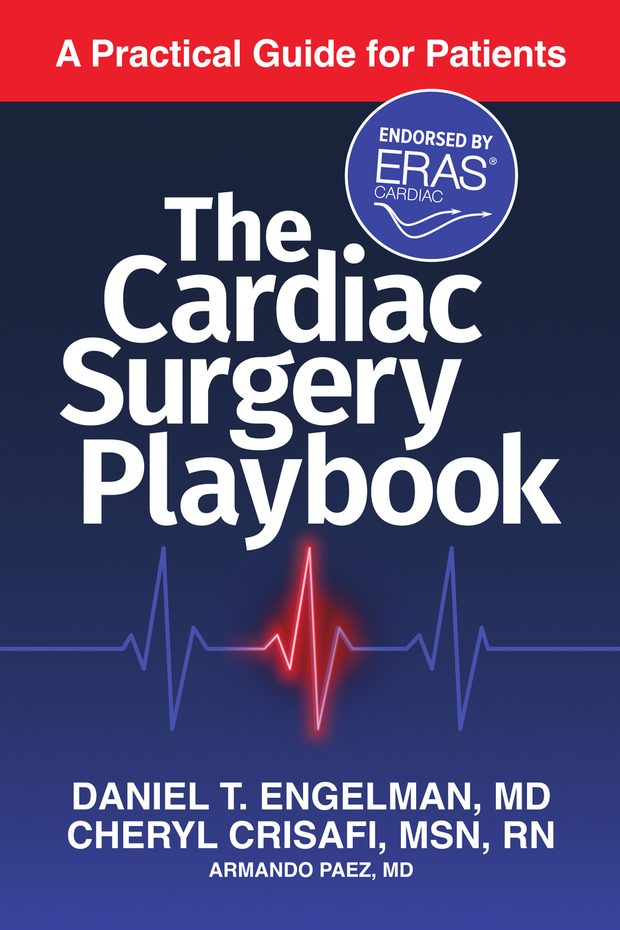
Go deeper in the book. Chapter 5: Aortic Surgery; Chapter 2: Why You Need Heart Surgery: Understanding Your Condition; Chapter 11: What to Ask Your Surgeon and Team. Written by a cardiac surgeon, a cardiac surgery nurse and an infectious disease physician, with worksheets you can fill in for your own care.
Paperback Hardcover KindleThis page is general education, not medical advice. Your own surgeon and care team know your situation best. If you think you are having a medical emergency, call 911.