Chest Pain After Open Heart Surgery: Is It Normal?
After heart surgery, almost any feeling in your chest can be scary. It is natural to worry that something is wrong with your heart. Much of the discomfort during recovery comes from other sources, but some symptoms always need fast attention.
Why your chest can hurt, and common causes that are not the heart
Heart surgery affects much more than the heart. The breastbone was divided and is now healing. Skin, muscles, and nerves were cut. The chest was held open during the operation, and tubes passed through the chest wall. You may also have spent hours lying in one position.
All of this can cause aches, twinges, numbness, and sudden sharp catches that have nothing to do with the heart itself. Knowing this can take away a lot of needless fear.
A few familiar sources explain most chest discomfort after surgery.
- The healing breastbone and chest wall: soreness, tightness, or sharp pain when you move, cough, or breathe deeply
- Costochondritis: inflammation where the ribs join the breastbone, often a tender spot you can find with one fingertip
- Nerve irritation: burning, tingling, numbness, or shooting feelings that usually fade slowly over months
- Heartburn and reflux: burning behind the breastbone, often linked to meals or lying down, and common after surgery and with some medicines
- Anxiety and panic: real chest tightness, a racing heart, and shortness of breath, which are common during recovery
Two things to report to your team
A clicking, shifting, or grinding feeling in your breastbone is not part of normal healing. Tell your surgical team about it promptly.
Pericarditis is one heart-related cause that can show up weeks after surgery. It is inflammation of the sac around the heart. The pain often changes when you breathe or change position. Let your team know, because it can be treated once it is found.
How heart pain tends to feel different
No rule is perfect, and you should never try to diagnose yourself. Still, some general patterns can help you describe what you feel to your team.
Pain from the chest wall is often sharp and in one spot. It tends to get worse with movement or breathing. Pressing on the area or twisting your body can often bring it on.
Pain from the heart is more often a pressure, heaviness, or squeezing in the middle of the chest. It may spread to the arm, neck, or jaw. It often comes with sweating, nausea, or shortness of breath. It is usually triggered by effort rather than a certain movement. Treat any new pressure-like chest pain as possibly serious, whether it starts during activity or at rest.
What may be handled at home, and what to report
Mild chest-wall soreness that follows the expected pattern is usually safe to manage at home. This is soreness that gets better with the pain plan you were given and eases with rest. Still mention it at your follow-up visit.
Heartburn often improves with simple steps and medicine your team suggests. Anything that does not fit the reassuring pattern should be reported promptly, especially pressure-like pain with effort. When you are unsure, call your team. They would much rather hear about a harmless twinge than miss a real problem.
When to seek emergency care
It can be hard to tell harmless feelings from a true warning sign. The book advises seeking emergency care right away if chest discomfort:
- Is severe or does not go away
- Feels like pressure or squeezing
- Comes with shortness of breath, sweating, or fainting
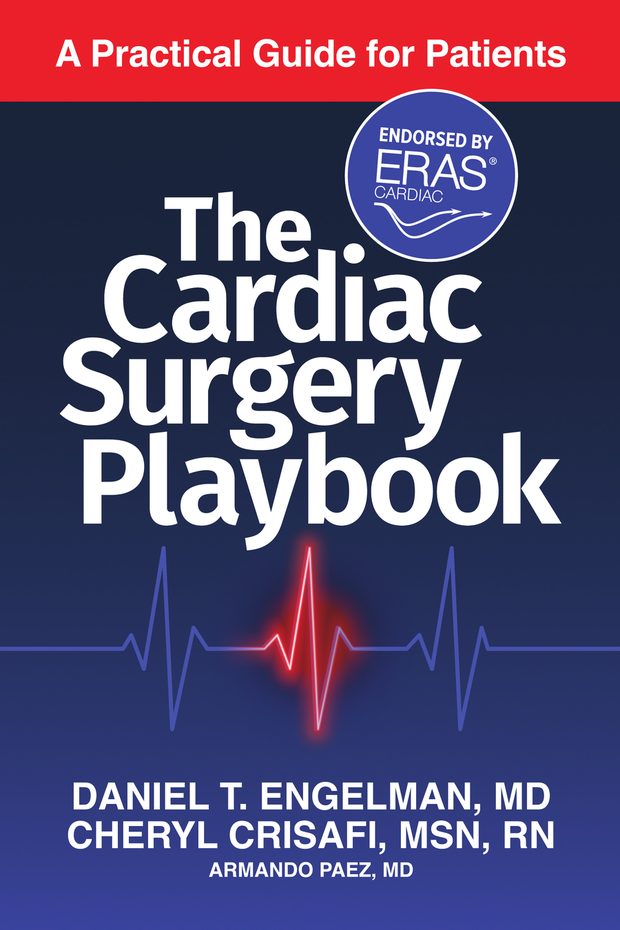
Learn more in The Cardiac Surgery Playbook
The Cardiac Surgery Playbook covers this topic in more depth in Chapter 23: Chest Pain After Surgery: Is It My Heart? It explains the common causes of chest discomfort, how heart pain tends to differ, and which symptoms to report. Chapter 22: The Emotional Side of Heart Surgery covers the anxiety that can also cause chest tightness during recovery.
Common questions
Is chest pain normal after bypass surgery?
Much chest discomfort after heart surgery comes from the healing breastbone, muscles, and nerves rather than the heart. But some chest pain needs urgent care, so learn from your team which feelings are expected and which to report.
How can I tell if chest pain after heart surgery is my heart?
Chest-wall pain is often sharp, in one spot, and worse with movement or breathing. Heart pain is more often pressure or squeezing in the center of the chest, sometimes spreading to the arm, neck, or jaw, and often with sweating, nausea, or breathlessness. Never diagnose yourself, and call your team when unsure.
Is clicking in my breastbone normal after open heart surgery?
No. A clicking, shifting, or grinding feeling in the breastbone is not part of normal healing. Report it to your surgical team promptly.
When should I go to the emergency room for chest pain after heart surgery?
Seek emergency care if chest discomfort is severe or lasting, feels like pressure or squeezing, or comes with shortness of breath, sweating, or fainting.
This page is general education, not medical advice. Your own surgeon and care team know your situation best. If you think you are having a medical emergency, call 911.