Caring for a Leg or Arm Incision After Bypass Surgery
Most people focus on the chest after bypass surgery. Yet the leg or arm where a blood vessel was borrowed often causes more day-to-day bother than the chest does. Swelling, numbness, and aching there are common and usually temporary. This page explains what to expect and how to care for that incision. Your surgical team's instructions always come first.
Why a vessel was taken from your leg or arm
Bypass surgery reroutes blood around blocked heart arteries using healthy vessels from elsewhere in your body. The best graft, the internal mammary artery, comes from inside the chest wall. When more bypasses are needed, surgeons add the saphenous vein, which runs the length of the leg, or the radial artery from the forearm. Our page on coronary artery bypass surgery explains how grafts are chosen.
Your body does not miss these vessels. The leg has plenty of other veins to return blood to the heart, and before a radial artery is taken, your team confirms that the hand's other artery supplies it well.
How the vein is removed today
The vein used to be taken through a single long cut down the leg. Many surgeons now remove it through a few small openings using a camera and long instruments, a method called endoscopic vein harvest, which means less pain and fewer leg wound problems. Your scar may be one long line, a few short ones, or a mix. Care is the same either way.
What is normal at the leg
Expect swelling, mostly at the ankle and foot and mostly by evening. A vein that used to carry blood upward is gone, and the remaining veins need time to take on its work. Swelling tends to peak in the first weeks and then ease gradually over the following months.
Bruising along the path of the vein, mild aching, and a tight or heavy feeling are common. So is numbness or tingling beside the incision or on the inner ankle, because small skin nerves run close to the vein. That often improves over months, though a patch may remain. A firm ridge under the scar is part of healing.
What is normal at the arm
After a radial artery is taken, the incision runs along the inside of the forearm toward the wrist. Mild stiffness, bruising, and some numbness or tingling on the thumb side of the hand or forearm are common early on and usually fade. Grip strength returns with use. Report any weakness, a hand that looks pale or feels cold, or pain that is building rather than easing.
Ask before anyone takes a blood pressure or draws blood from that arm in the first weeks.
Daily care for the incision
Treat a leg or arm incision the way you treat the chest incision. Our page on incision and breastbone care covers the basics.
- Shower once you are cleared, let water run over it, and pat dry. No baths, pools, or hot tubs until your team says so
- Keep it clean and dry, with no creams, powders, or ointments unless instructed
- Wash your hands before touching it, and leave scabs and small tape strips alone. They come off by themselves
- Check it once a day in good light, or have someone check for you
- Wear loose clothing that does not rub the line, and keep pets from licking it
Swelling: elevation, stockings, and walking
Three habits control most of the swelling. First, raise the leg whenever you sit, with the foot propped on an ottoman or pillows at about heart level rather than hanging down. Second, wear the compression stockings your team provided during the day, usually for a few weeks or until the swelling settles. They squeeze gently, help the veins push fluid upward, and also reduce the risk of a clot. Put them on in the morning before the leg swells and take them off at night unless told otherwise.
Third, walk. Standing or sitting still lets fluid pool. Walking pumps it out, and several short walks beat one long one. While seated, pump your feet up and down now and then, avoid crossing your legs for long, and do not sit with pressure behind the knee.
If both legs are swelling, or your weight is climbing quickly, that is usually body-wide fluid rather than the harvest site. A gain of two pounds in a day or five in a week deserves a call to your team the same day.
Warning signs: infection
Wound problems are more common at the leg than at the chest, especially with diabetes, obesity, or poor circulation, and they usually settle with antibiotics and wound care when caught early. Our page on preventing infection covers the steps that lower the risk. Call your surgical team today if you notice any of these. Do not wait to see whether it settles.
- Redness, warmth, or swelling around the incision that is spreading or getting worse
- Pus, cloudy fluid, or blood coming from the line, or an unpleasant smell
- Edges that are separating or an incision that is opening
- Pain at the incision that is increasing rather than improving
- A fever of about 101 degrees Fahrenheit, or the number your team set for you, or chills
Warning signs: a blood clot
Surgery and time spent less active raise the chance of a clot forming deep inside a leg vein. Such clots are not common after heart surgery, and your team takes steps to prevent them, but you should know the signs. Call your surgical team the same day if one calf or thigh becomes swollen, painful, warm, or red, especially if it looks clearly different from the other leg.
If part of a clot travels to the lungs, it brings sudden breathlessness, chest pain that sharpens when you inhale, or blood in what you cough up. That is an emergency. Call 911 or go to the emergency room. Found early, clots respond well to blood thinners. Our warning signs page lists every red flag in one place.
Learn more in The Cardiac Surgery Playbook
Chapter 3 explains the grafts and the newer ways of removing the vein. Chapter 15 covers wound care and the signs of infection, and Chapter 19 covers swelling, water pills, and compression stockings during recovery at home.
Common questions
How long does leg swelling last after bypass surgery?
Swelling is usually worst in the first few weeks and improves over two to three months as the remaining veins adapt. Elevation, compression stockings, and walking speed that up. Swelling in one leg that is painful, warm, or red is different and needs a same-day call.
Is numbness in my leg normal after vein harvest?
Yes. Small skin nerves run near the vein, so numbness or tingling beside the incision or at the inner ankle is common. It usually improves over months, although a small patch may remain.
How long do I wear compression stockings after heart surgery?
Typically during the day for a few weeks, or until the swelling has settled, depending on your team's instructions. Put them on in the morning before the leg swells and remove them at night unless told otherwise.
What does an infected leg incision look like after bypass?
Spreading redness, warmth, increasing pain, pus or drainage, an unpleasant smell, or edges that are opening, often with a fever. Call your surgical team the same day. Early antibiotics and wound care usually settle it.
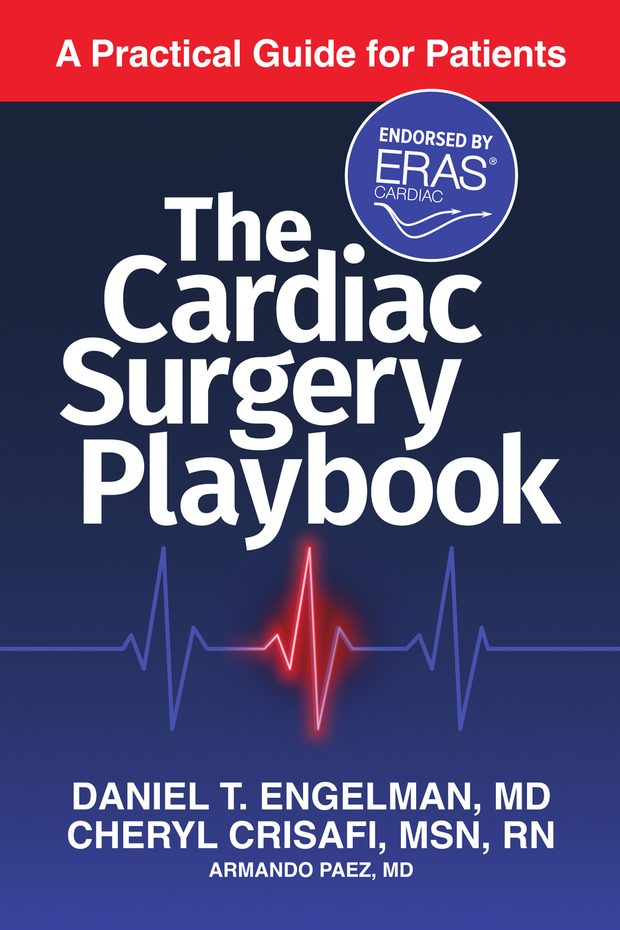
Go deeper in the book. Chapter 3: Coronary Bypass Surgery (CABG); Chapter 15: Preventing Surgical Site Infections; Chapter 19: Recovery: From Intensive Care to the Journey Home. Written by a cardiac surgeon, a cardiac surgery nurse and an infectious disease physician, with worksheets you can fill in for your own care.
Paperback Hardcover KindleThis page is general education, not medical advice. Your own surgeon and care team know your situation best. If you think you are having a medical emergency, call 911.