Open Heart Surgery Recovery: What to Expect
Recovery from heart surgery happens in stages. Most people spend a short time in intensive care, a few days on a hospital ward, and then several weeks healing at home. Knowing the usual milestones can make the ups and downs feel less worrying.
In the hospital: from the ICU to the ward
Once you are stable, awake, and breathing well, you move from intensive care to a step-down unit or a regular ward. The focus turns to rebuilding strength. You walk a little farther each day, eat regular meals, and have your tubes removed one by one.
Getting up and moving early is one of the most useful things you can do. You may sit, stand, and walk as soon as the same evening or the next day. Lying still raises the risk of pneumonia, blood clots, weak muscles, and slow bowels. Your team will also ask you to breathe deeply, often using a small device called an incentive spirometer.
Some people, especially older patients, become confused for a few days. This is called delirium. It is common and almost always clears. Familiar faces, glasses, hearing aids, and good sleep all help.
Pain control and protecting your breastbone
Good pain control is part of your treatment. It lets you breathe deeply, cough, and walk. The goal is not zero pain but pain you can manage, often about three or four on a zero-to-ten scale. Teams combine several methods, such as scheduled acetaminophen and sometimes a nerve block, so you need fewer opioids.
If your surgery went through the breastbone, it heals much like a broken bone. For about six to eight weeks, teams usually ask you to follow sternal precautions:
- Keep your elbows close to your sides when you lift, push, or pull
- Use your legs, not your arms, to get out of a chair or bed
- Hug a firm pillow to your chest when you cough or sneeze
- Follow any weight limit your team gives you
Going home
Most people stay in the hospital about four to seven days. Before you leave, your team checks that you can walk household distances, keep down a normal diet, and manage your pain. Your heart rhythm and blood pressure should be steady for about a day, and most of the extra fluid should be gone. Changes to your medicines before discharge are normal.
Many people go home with help from family or visiting nurses. Some need a short stay in a rehab or skilled nursing facility first. Ask your team early what they expect so you can plan.
Recovery timeline: the first weeks at home
Recovery at home rarely moves in a straight line. Here is a general picture, though your own pace may differ:
- First week or two: you tire quickly, appetite is often low, food may taste odd, and sleep may be broken. Some leg swelling is expected.
- Around three to five days home: many people feel an emotional dip. It usually lifts on its own.
- Weeks two to four: energy slowly returns, and appetite improves.
- Weeks four to eight: most people feel more like themselves, and walks get longer.
- Six to twelve weeks: many people feel much better, though full healing of the breastbone and full energy can take longer.
Daily checks and when to call
Weigh yourself each morning and take your temperature once a day. A sudden gain of about two pounds in a day or five in a week can mean fluid is building up. Call your team about that, a fever, a wound that looks red or is draining, or a fast or irregular heartbeat. In the early weeks, your surgical team is usually your first call.
Driving usually waits about four to six weeks, and only once you are off opioids and can react quickly. People with desk jobs often return to work in about six to eight weeks. Heavy labor may take three months or more. For chest pain that feels like squeezing or heaviness, severe shortness of breath, fainting, or signs of stroke, seek emergency care.
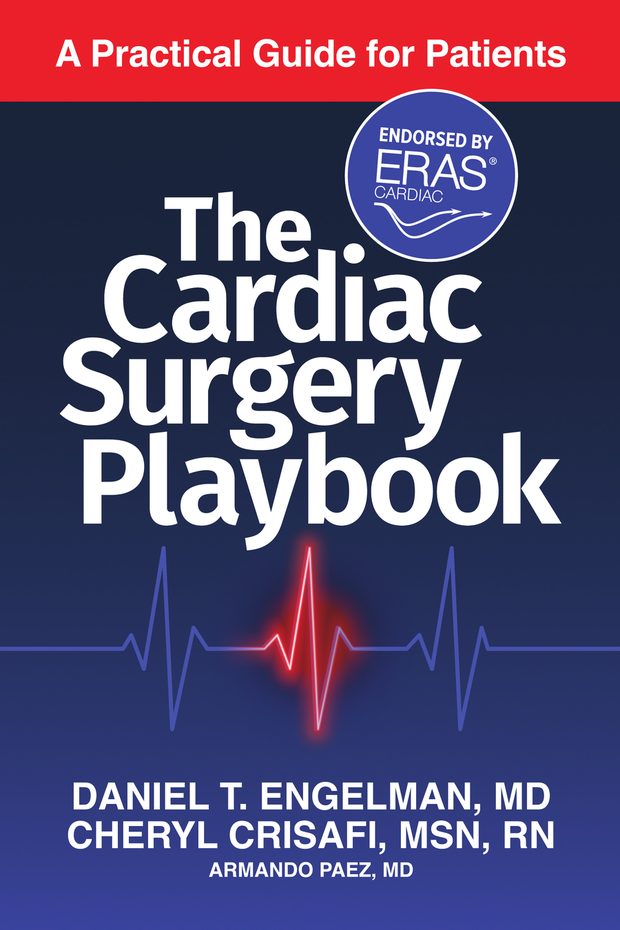
Learn more in The Cardiac Surgery Playbook
The Cardiac Surgery Playbook covers recovery in far more detail in Chapter 19: Recovery: From Intensive Care to the Journey Home. It explains pain control, opioid safety, heart rhythm and pacemakers, water pills, eating to heal, intimacy, travel, and what to have ready at home. It also includes checklists and questions to bring to your team.
Common questions
How long is the hospital stay after open heart surgery?
Most people stay about four to seven days. Your team decides when you are ready based on walking, eating, pain control, and steady heart rhythm and blood pressure.
How long does it take to recover from open heart surgery?
Many people feel much better by six to twelve weeks. Full healing of the breastbone and full energy can take longer.
When can I drive after bypass surgery?
After surgery through the breastbone, most teams ask you to wait about four to six weeks. You should also be off opioids and able to react quickly. Confirm timing with your surgeon.
Is it normal to feel down after heart surgery?
Yes. Many people feel low or tearful a few days after coming home, and it usually lifts on its own. If it lasts or feels serious, call your care team.
This page is general education, not medical advice. Your own surgeon and care team know your situation best. If you think you are having a medical emergency, call 911.