Depression and Emotions After Heart Surgery
Most people prepare for the physical side of heart surgery. Fewer expect the emotions that can follow. If you feel low, worried, or up and down after your operation, you are not alone, and there is help.
Why emotions can run high after heart surgery
Heart surgery is a big event for the body and the mind. Healing takes energy, and many people feel worn out for weeks. Sleep in the hospital and at home is often broken. Poor sleep by itself can drag your mood down.
The heart also holds deep meaning for many people. Having surgery on it can feel heavy. Pain, medicines, and long stretches of rest can add to how you feel. Many people feel low or unsettled in the first weeks. This is sometimes called the cardiac blues.
Common feelings in the weeks after surgery
These feelings are a normal reaction to a major experience. They do not mean you are weak. Knowing what to expect can make them easier to handle.
- Sadness or crying, sometimes without a clear reason, often strongest early on
- Worry about your heart, new symptoms, or what comes next, and sometimes fear of being alone
- A shorter temper than usual, which can surprise you and your family
- Trouble paying attention or remembering things, which usually improves over weeks
- Broken sleep and vivid dreams, which are very common at first
When it may be depression
Low mood is one of the most common feelings after heart surgery. Research shows many people feel depressed in the weeks and months afterward. Some counts put it at about one in four.
Depression goes beyond the usual ups and downs of healing. It is a real medical condition. It is not a personal failing, and it does not mean you are ungrateful. Signs can include feeling sad or empty most of the time, losing interest in things you used to enjoy, or feeling more tired than your recovery would explain. Some people sleep or eat much more or less than usual. Others feel hopeless, worthless, anxious, or simply flat, with no drive.
Depression affects the body too. It is linked to slower healing and to worse heart outcomes over time. People who are depressed are also less likely to stay with cardiac rehab. That is a strong reason to get it treated.
What can help your emotional recovery
The good news is that depression responds well to treatment. Cardiac rehab improves mood for many people. Talk therapy helps. When symptoms are stronger or last longer, medicine can work very well, and your team can suggest options that are safe for your heart.
Many of the things that help your body heal also help your mood.
- Gentle activity every day, and time outdoors
- A steady routine, with regular times to go to bed and get up
- Talking about how you feel instead of keeping it inside
- Cardiac rehab, where you are active alongside others who have been through similar surgery
- Small daily goals that give you a sense of progress and control
- Patience, since for most people mood settles as the body heals
- Remember that caregivers carry real stress too, and they also need rest and support
When to get help
Normal low mood slowly gets better over a few weeks. Reach out for professional help if sadness or worry is severe, if it lasts more than about two weeks without easing, or if it makes it hard to eat, sleep, or get through the day.
If you have any thoughts of harming yourself, or you feel hopeless, get help right away. In the United States, you can call or text 988, the Suicide and Crisis Lifeline, at any hour. You can also call your local emergency number and tell someone you trust. Bringing up your mood with your team is a sign of strength.
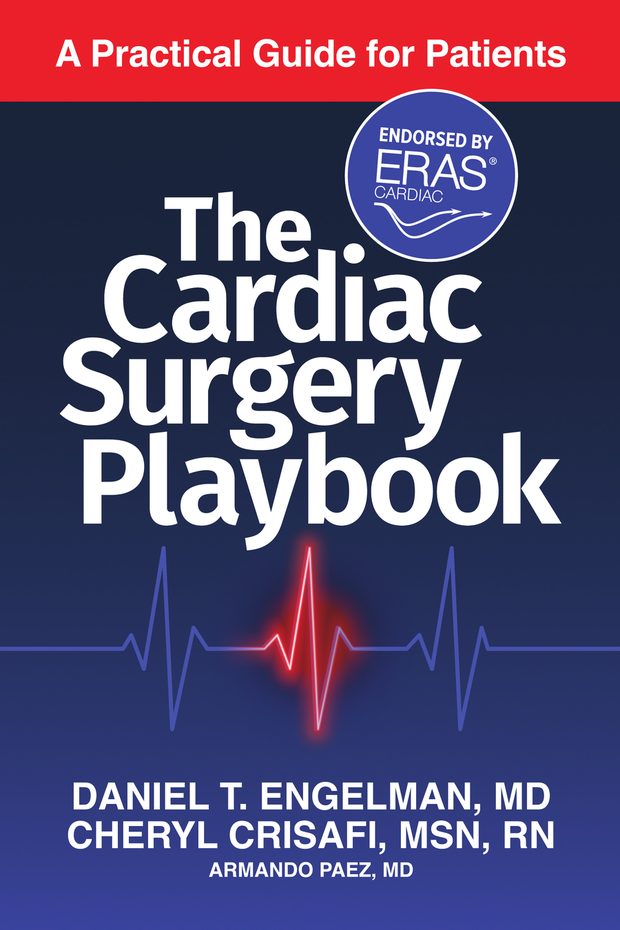
Learn more in The Cardiac Surgery Playbook
The Cardiac Surgery Playbook covers the emotional side of recovery in more depth in Chapter 22: The Emotional Side of Heart Surgery. It explains the cardiac blues, the signs of depression, and practical steps that help. It also includes questions to ask your team and a guide for the person at your bedside.
Common questions
Is it normal to feel depressed after open heart surgery?
Yes, low mood is one of the most common feelings after heart surgery. By some counts, about one in four people feel depressed in the weeks and months afterward. It is a real condition, and it can be treated.
Why do I cry so easily after heart surgery?
Sadness and tears, sometimes for no clear reason, are common in the first weeks. Tiredness, broken sleep, pain, medicines, and the emotional weight of heart surgery can all play a part.
How long do the cardiac blues last?
Normal low mood usually improves slowly over weeks as the body heals. If sadness or worry lasts more than about two weeks without easing, or is severe, talk with a professional.
Does depression after heart surgery affect recovery?
Yes. Depression is linked to slower healing, less follow-through with cardiac rehab, and worse heart outcomes over time. That is why it is worth raising with your team and getting treated.
This page is general education, not medical advice. Your own surgeon and care team know your situation best. If you think you are having a medical emergency, call 911.