Medicines Before and After Heart Surgery
Few things confuse people more than the medicine list around heart surgery. Pills are stopped, then restarted. New ones appear. Doses change from week to week. Your own team's written instructions always come first. This page explains the logic behind the list, so the changes make sense instead of feeling random.
Why the list changes
Medicines change around surgery for a few simple reasons. Some must be paused because they raise the risk of bleeding, or because they interfere with anesthesia, blood sugar, or kidney function during the operation.
Others are started or increased to protect the heart and blood vessels during a stressful time. A few are added for a while to manage common early problems, such as an irregular heartbeat or extra fluid.
As you heal, the list usually shrinks again. The goal is not to keep you on as many medicines as possible. It is to use the right ones at the right time.
Blood thinners: two different families
"Blood thinner" is a loose term. It covers two families of medicine, and the difference matters.
Antiplatelet drugs make the tiny blood particles called platelets less sticky. Aspirin is the most common. Others include clopidogrel (Plavix), ticagrelor (Brilinta), and prasugrel (Effient). After bypass surgery, aspirin is usually taken for life. It helps keep your new grafts open.
Anticoagulants slow the chemical chain that forms a clot. Warfarin (Coumadin) is the oldest one in common use and needs regular blood tests. The newer direct oral anticoagulants, or DOACs, such as apixaban (Eliquis) and rivaroxaban (Xarelto), usually do not.
After surgery, the plan depends on what was done. A mechanical valve requires lifelong warfarin and regular monitoring. A tissue valve often does not. If you develop atrial fibrillation after surgery, your team may add an anticoagulant for a time.
Which medicines are paused before surgery
Your surgical team will go through your full list and give you a personal schedule. Never stop or change a prescription on your own. As a general guide for planned, non-emergency surgery:
- Aspirin: usually continued. Confirm with your team.
- Clopidogrel, ticagrelor, prasugrel: usually paused several days before. Your team sets the day.
- Warfarin: paused several days before, with blood tests to guide the timing. Some people need a short-acting injectable "bridge" while it is paused.
- DOACs such as apixaban, rivaroxaban, dabigatran, and edoxaban: paused for a set number of days, depending on kidney function.
- Blood pressure medicines such as lisinopril or losartan, and water pills such as furosemide: often held on the morning of surgery. Your team decides.
- SGLT2 inhibitors such as empagliflozin (Jardiance) and dapagliflozin (Farxiga): paused at least three days before surgery. Ertugliflozin (Steglatro), at least four days.
- GLP-1 medicines such as semaglutide (Ozempic, Wegovy) and tirzepatide (Mounjaro, Zepbound): daily forms are held on the day of surgery, weekly injections about a week ahead. Your team decides.
- Metformin: usually held on the day of surgery only. Insulin doses are adjusted, often reduced the night before and the morning of surgery.
- Most other heart and blood pressure medicines, including beta blockers and statins: usually continued, often with a small sip of water.
Supplements count too
Tell your team about vitamins, supplements, and herbal products. Some, such as fish oil and garlic, can thin the blood and may need to be paused before surgery.
On the morning of surgery, take only the medicines your team has told you to take, with small sips of water. If a medicine is not on that list, do not take it until you have asked.
Medicines that protect your heart for the long term
Several medicines do not treat a symptom you can feel. They protect your heart and blood vessels over years. Knowing their purpose makes it easier to keep taking them when you feel well.
Beta blockers slow the heart and lower blood pressure. After surgery they also reduce the chance of atrial fibrillation.
Statins lower cholesterol and stabilize the lining of your arteries. For most people after bypass surgery, or with coronary disease, a statin is a long-term medicine.
ACE inhibitors and ARBs relax blood vessels and protect the heart muscle. They matter most if your heart pumps weakly, or if you have high blood pressure or diabetes.
Medicines for the early weeks only
Some medicines appear only for a while. A diuretic, or water pill, helps clear the extra fluid that often builds up after surgery. It is usually stopped once your weight and swelling settle.
If you develop atrial fibrillation, you may take a rhythm medicine such as amiodarone for a limited time. Pain control usually combines acetaminophen with other medicines. Opioids are used sparingly and for the shortest time needed.
If you were given a short course of any medicine, ask exactly when it should stop. Do not assume a medicine is no longer needed without checking.
Keep one accurate list
The most useful tool you can carry is an up-to-date medicine list: the name, the dose, the reason, and the schedule. Keep it on paper or in your phone, and bring it to every appointment. A few habits prevent most missed or doubled doses:
- Use a weekly pill organizer
- Set a phone reminder
- Build a simple routine, such as morning pills with breakfast
- Use one pharmacy if you can, so a pharmacist can catch interactions
Learn more in The Cardiac Surgery Playbook
Chapter 16, Medications Explained: Before and After Surgery, includes a plain-language table of how common medicines are handled before surgery and a medication page you can fill in. Chapter 17 covers diabetes medicines in detail. Chapter 7 explains the rhythm medicines and blood thinners used for atrial fibrillation.
Common questions
Should I stop aspirin before heart surgery?
Usually not. Aspirin is most often continued through surgery. Other antiplatelet drugs, such as clopidogrel, are usually paused several days before. Follow the schedule your team gives you.
Do I have to take a statin after bypass surgery?
For most people after bypass surgery, yes, as a long-term medicine. Statins lower cholesterol and help protect the grafts and your other arteries. Ask your team if side effects are a problem, since there are usually alternatives.
Why am I on a blood thinner after valve surgery?
A mechanical valve needs lifelong warfarin to prevent clots on the valve. A tissue valve often does not. A blood thinner may also be added for a time if you develop atrial fibrillation after surgery.
What are signs of too much blood thinner?
Black or bloody stools, blood in the urine, vomiting blood, or bleeding that will not stop. Call your team or seek emergency care for any of these.
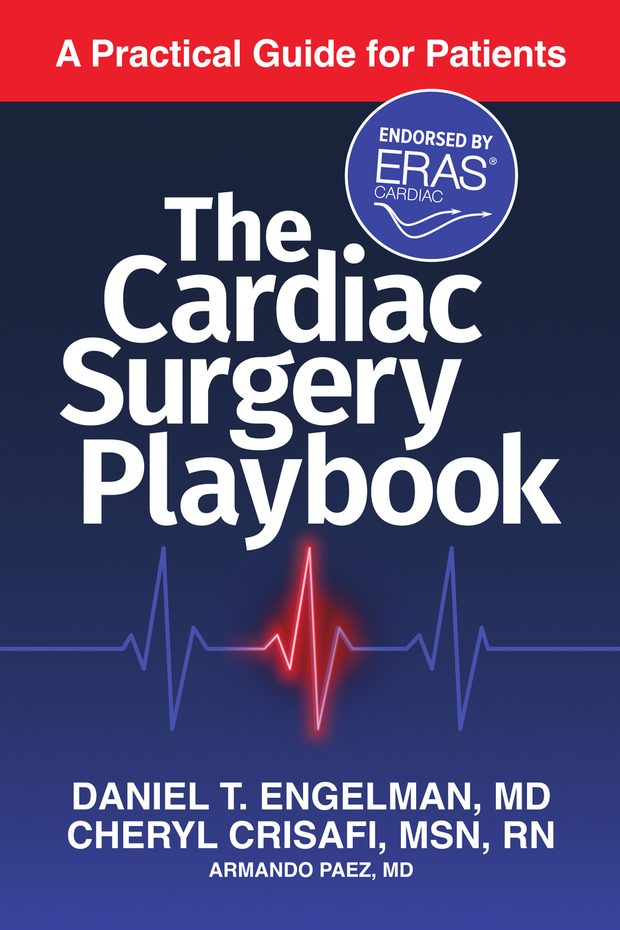
Go deeper in the book. Chapter 16: Medications Explained: Before and After Surgery; Chapter 17: Diabetes, Blood Sugar, and Heart Surgery. Written by a cardiac surgeon, a cardiac surgery nurse and an infectious disease physician, with worksheets you can fill in for your own care.
Paperback Hardcover KindleThis page is general education, not medical advice. Your own surgeon and care team know your situation best. If you think you are having a medical emergency, call 911.