Recovery Week by Week After Open Heart Surgery
People recovering from heart surgery often ask the same question: is this normal for where I am? This page lays out a typical timeline, week by week. Your own recovery will have its own pace. Some weeks will feel slower, and some problems that seem alarming are expected. Use this as a map, and let your surgical team be your guide.
The hospital: days one to about seven
You wake in intensive care with tubes and monitors, and most of them come out over the first day or two. You sit up, stand, and take your first steps within about a day. Then you move to a regular floor, where each day brings a longer walk and one less tube. Most people go home about four to seven days after surgery. Some go to a short-term rehab facility first, especially if they live alone or were frail before surgery.
Before you leave, a nurse will review your medicines, your incisions, your activity limits, and the signs that need a call. Write down the phone number for your surgical team and keep it by the phone. Our page on the day of surgery and the ICU describes the first hours in more detail.
Week one at home
The first week home is usually the hardest. You tire quickly. Your appetite is small and food may taste strange. Sleep is broken. You may feel tearful or low around the third to fifth day home. All of this is expected, and it passes. Someone should be with you around the clock this week if possible.
Each day, weigh yourself in the morning, take your temperature, and look at your incisions. Take several short walks a day, indoors or on level ground, rather than one long one. Shower as your team directs. Take your pain medicine on the schedule you were given, and start cutting back as the pain eases. Our caregiver guide lists what family members can do to help.
Week two
Energy starts to return in small steps. Walks grow longer. Many people are off opioid pain medicine by now, or nearly so, and manage with acetaminophen. Your first follow-up visit with the surgical team usually falls in the first few weeks. Bring your weight log, your medicine list, and your questions.
Swelling in the legs, especially if a vein was taken from one of them, is common and slowly improves. Some aching, tingling, and numbness around the chest incision are normal as nerves heal. Our page on chest pain after heart surgery explains which feelings are expected and which need a call.
Weeks three and four
This is when many people notice clear improvement. Appetite comes back. Mood lifts. Walks of twenty to thirty minutes become possible for many. Cardiac rehab usually begins a few weeks after surgery, so if you have not been referred yet, ask. Our page on cardiac rehab explains what to expect.
The breastbone is still healing. Keep following your sternal precautions: elbows close to your sides, no pushing or pulling with your arms, no lifting beyond the limit your team set, often about five to ten pounds. Let pain be your guide. If something you do causes pain in your chest, stop, and give the bone time to heal. Do not drive yet unless your team has specifically cleared you. Many people with desk jobs begin thinking about part-time work toward the end of this period, but most wait a little longer.
Weeks five through eight
Most programs lift driving restrictions around four to six weeks after surgery through the breastbone, once you are off opioids and can turn and brake without hesitation. Timing varies, so wait for your team's go-ahead. Some programs now use newer approaches that allow fewer sternal precautions and earlier driving, so ask what your own program advises. Our page on driving, showering, and sleeping covers the details.
By six to eight weeks the breastbone has usually knit well enough for your team to ease the sternal precautions. If your operation was done through a smaller incision, some of these times may be shorter. People with desk jobs often return to work around six to eight weeks. Cardiac rehab is underway, and your stamina grows each week. You may still have days when you feel exhausted. That is normal. Rest, then start again the next day.
Weeks nine through twelve and beyond
By about three months, most people feel much more like themselves. The breastbone is largely healed, and heavier activities and physically demanding jobs can usually be resumed with your team's approval. Numbness around the incision may linger for months, and some people notice a small ridge of scar along the breastbone that softens with time.
Full energy can take longer. Some people need six months or more to feel fully recovered, especially after a long illness before surgery or a complicated course. The habits you build now, in cardiac rehab and at home, protect your heart for the years ahead.
Signs that should not wait for your next visit
At any point in recovery, call your surgical team the same day about a weight gain of about two pounds in a day or five pounds in a week, a fever, an incision that is red, draining, or opening, a breastbone that clicks or shifts, a fast or irregular heartbeat, or new shortness of breath when lying flat. Call 911 for chest pressure or squeezing that does not go away, severe shortness of breath, fainting, or signs of a stroke such as a drooping face, a weak arm, or trouble speaking.
Learn more in The Cardiac Surgery Playbook
The Cardiac Surgery Playbook walks through recovery in depth in Chapter 19: Recovery: From Intensive Care to the Journey Home, including a section on driving, lifting, and returning to activity. Chapter 20: Cardiac Rehabilitation and Regaining Your Strength explains how to keep building from there. The book's reference section, When and Whom to Call, puts the warning signs on one page.
Common questions
What is the hardest week after open heart surgery?
For most people, the first week at home. Energy is low, appetite is poor, sleep is broken, and mood often dips around the third to fifth day. It improves from there.
What if an activity causes chest pain while my breastbone heals?
Stop what you are doing. Pain is the signal that the bone needs more time. Rest, and try again later or ask your team. Minimally invasive surgery and newer recovery programs can shorten some restrictions, but only your own surgeon can tell you what applies to you.
When can I lift things after open heart surgery?
While the breastbone heals, usually about six to eight weeks, most teams set a limit of about five to ten pounds and ask you to avoid pushing and pulling with your arms. Your own team's limit comes first.
When can I go back to work after heart surgery?
People with desk jobs often return around six to eight weeks after surgery. Physically demanding work usually waits about three months. Ask your surgeon about your own job.
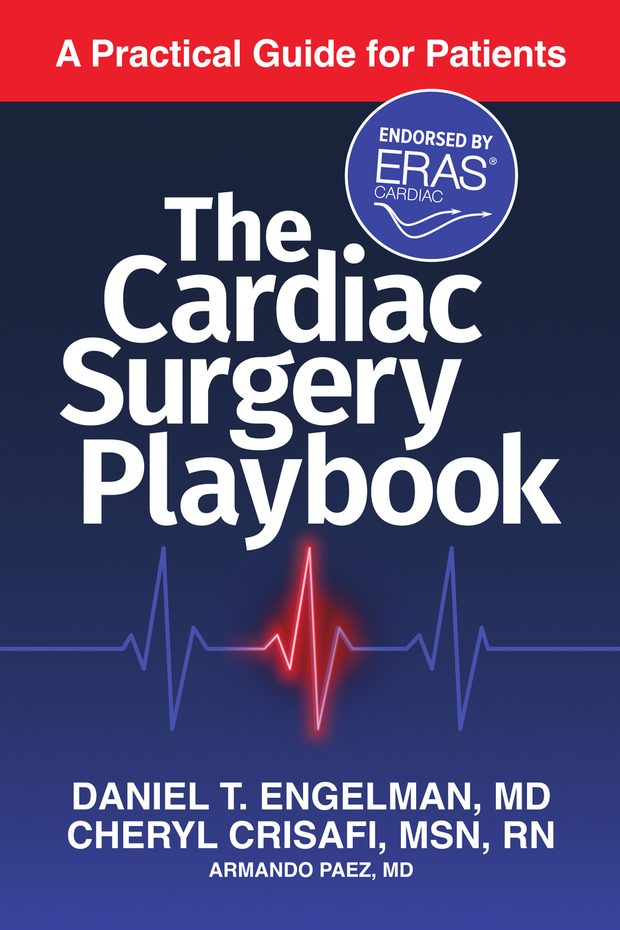
Go deeper in the book. Chapter 19: Recovery: From Intensive Care to the Journey Home; Chapter 20: Cardiac Rehabilitation and Regaining Your Strength. Written by a cardiac surgeon, a cardiac surgery nurse and an infectious disease physician, with worksheets you can fill in for your own care.
Paperback Hardcover KindleThis page is general education, not medical advice. Your own surgeon and care team know your situation best. If you think you are having a medical emergency, call 911.