Cardiac Rehab After Heart Surgery: What to Expect
Cardiac rehabilitation is one of the most helpful parts of recovery after heart surgery. It is also one of the most often skipped. This guide explains what cardiac rehab is, what a program includes, and how to get started.
What is cardiac rehab?
Cardiac rehab is a supervised program that combines monitored exercise, education, and support. Its goal is to help you rebuild strength and lower your long-term risk after heart surgery. It is much more than a gym membership. Nurses, exercise specialists, and other trained staff run the program.
While you exercise, the staff watch your heart rhythm, blood pressure, and how hard you are working. That means you can challenge yourself safely. Most programs meet a few times a week for several weeks. Your plan is shaped around your condition and your fitness level.
Why cardiac rehab matters
The benefits of cardiac rehab are well proven. People who complete it tend to feel better and do more in daily life.
Confidence may be the biggest gain of all. Many people feel afraid to exert themselves after heart surgery. Exercising with trained staff watching shows you what your healing heart can safely do.
- More stamina and strength
- Better control of risk factors such as blood pressure and cholesterol
- Fewer return trips to the hospital
- Better mood and a better quality of life
- A lower risk of future heart problems
What happens in a cardiac rehab program
Every program is a little different. Most include a few core parts that work together:
- Monitored exercise that starts gently and builds slowly, matched to your fitness and the operation you had
- Education on heart-healthy eating, your medicines, risk factors, and warning signs
- Help with risk factors, including blood pressure, cholesterol, diabetes, weight, and quitting smoking
- Emotional support, since worry and low mood are common after surgery and often improve with activity and connection
When does cardiac rehab start?
Ask your team for a referral before you leave the hospital or at your first follow-up visit. Programs usually begin a few weeks after surgery. By then, your incisions are healing and you are medically ready.
If cost, distance, or getting a ride is hard for you, tell your team. Many programs can help with these problems. Some areas also offer home-based or remotely supervised options. The most important step is simply to start.
Keeping your progress going
A formal program lasts a set number of weeks. The habits you build there are meant to last for the rest of your life. Before you finish, ask the staff for a plan to keep going on your own.
A good plan includes a goal for regular activity, a way to track it, and safe limits. Most people can work toward moderate activity, like brisk walking on most days, building up slowly. Try not to skip rehab, and try not to overdo exercise on your own. Too little can slow recovery, and too much too soon can strain your healing heart.
Warning signs during exercise
Stop exercising and contact your team if you have chest pain or pressure, unusual shortness of breath, dizziness, or an irregular heartbeat during activity. Get emergency care if chest pain is severe or lasting, or if it comes with sweating, nausea, or shortness of breath. Even if the pain goes away with rest, call your team that same day. New chest pain that comes on with effort still needs to be checked.
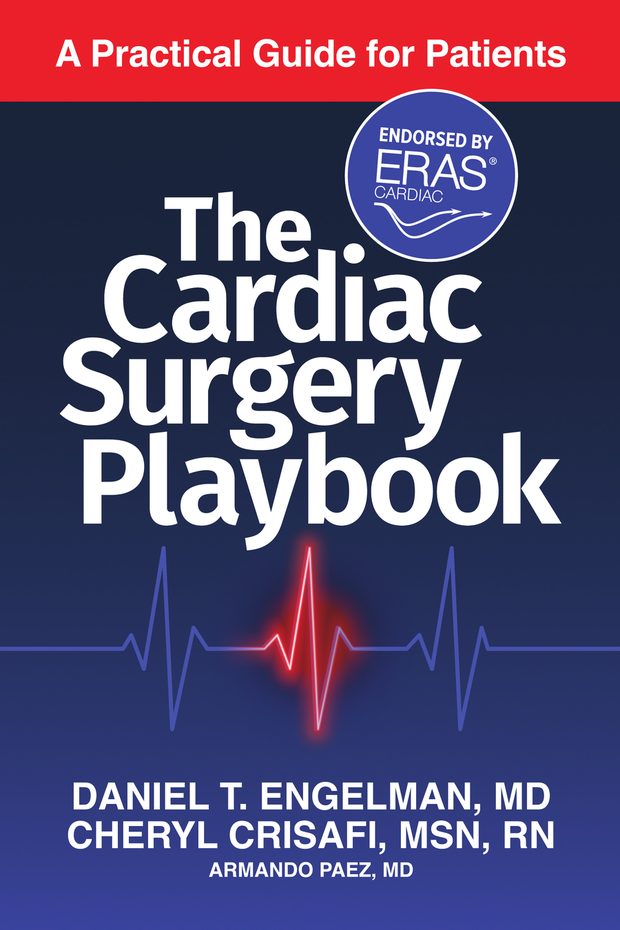
The Cardiac Surgery Playbook covers this topic in more depth. Chapter 20: Cardiac Rehabilitation and Regaining Your Strength explains what to expect in a program, the questions to ask about enrolling, and how to build habits that last after the formal program ends.
Common questions
What is cardiac rehab?
Cardiac rehab is a supervised program of monitored exercise, education, and support. Nurses, exercise specialists, and other professionals run it to help you rebuild strength and lower your long-term heart risk.
How soon after heart surgery do you start cardiac rehab?
Programs usually begin a few weeks after surgery, once your incisions are healing and you are medically ready. Ask for a referral before you leave the hospital or at your first follow-up visit.
How long does cardiac rehab last?
A program usually runs over several weeks, with sessions a few times a week. Before it ends, ask for a plan so you can keep exercising safely on your own.
Is cardiac rehab worth it after heart surgery?
Yes. Cardiac rehab is linked to more strength and stamina, better risk-factor control, fewer return trips to the hospital, better mood, and a better quality of life.
This page is general education, not medical advice. Your own surgeon and care team know your situation best. If you think you are having a medical emergency, call 911.