How to Prevent Infection After Heart Surgery
Most heart surgery incisions heal with no infection at all. Still, it helps to know what lowers the risk. Here is what your team does, what you can do, and when to call.
What a surgical site infection is
A surgical site infection starts where the surgeon made an incision. It can stay near the skin surface. It can go deeper, into the breastbone (sternum) or the space behind it. It can also appear on a leg or arm where a blood vessel was taken for a bypass.
Deep breastbone infections are not common. They affect about 1 in 100 heart surgery patients, and stay under about 5 in 100 even for people at higher risk. Surface infections happen a bit more often. They usually get better with antibiotics and wound care. The good news is that up to half of surgical infections can be prevented when patients and teams follow a few proven steps.
Getting ready before surgery
Prevention starts days before you come to the hospital. Many of the most useful steps are things you can help with at home.
- Stop smoking if you can, ideally at least four weeks ahead. Smoking slows healing. Your team can help you quit.
- Work on your blood sugar. High blood sugar raises infection risk, with or without diabetes. Your team may check a test called HbA1c.
- Wash with the special soap (often chlorhexidine) if asked, usually the night before and the morning of surgery. Do not shave the area yourself.
- Have your nose swabbed for a common germ called Staph. If it is found, you may use an antibiotic nose ointment for about five days.
- Tell your team about any other infection, such as a tooth, urine, or skin problem.
- Eat well, with enough protein, so your body has what it needs to heal.
What your team does during surgery
In the hour before surgery begins, you get antibiotics chosen and dosed for you. Your skin is cleaned with a strong antiseptic. Your blood sugar is kept in a safe range and your body is kept warm, since both lower infection risk. The team also limits traffic in and out of the room.
Caring for your chest incision at home
Once you are home, you take the lead in protecting your incisions. Your team will tell you how to care for your dressing. Often it stays on for about two to five days. After that, the incision is usually left open to air if it is not draining.
Most chest incisions get a plain, dry pad. In studies, fancier dressings did not prevent infection better. It is fine to ask why your team chose yours.
Some higher-risk patients get a sealed dressing attached to a small suction pump for up to a week. Only your team should remove it. Ask before you shower with it.
- Clean your hands before you touch your incision.
- Do not put creams, powders, or ointments on it unless your team says to.
- For about six to eight weeks, hug a firm pillow to your chest when you cough or sneeze.
- Keep your blood sugar steady and stay smoke-free.
- Shower instead of soaking once your team allows it, and pat the incision dry. Skip baths, hot tubs, and pools until you are cleared.
Warning signs that need a call right away
Most infections can be treated, especially when found early. Call your surgical team right away, or seek emergency care, if you notice any of these:
- Redness, swelling, warmth, or pain that spreads or gets worse
- Fluid, pus, or blood coming from the incision, or a bad smell
- An incision that opens, or a breastbone that clicks, shifts, or feels loose
- A fever of 101 degrees Fahrenheit or higher, or shaking chills
- Feeling unwell and worn out as your incision changes
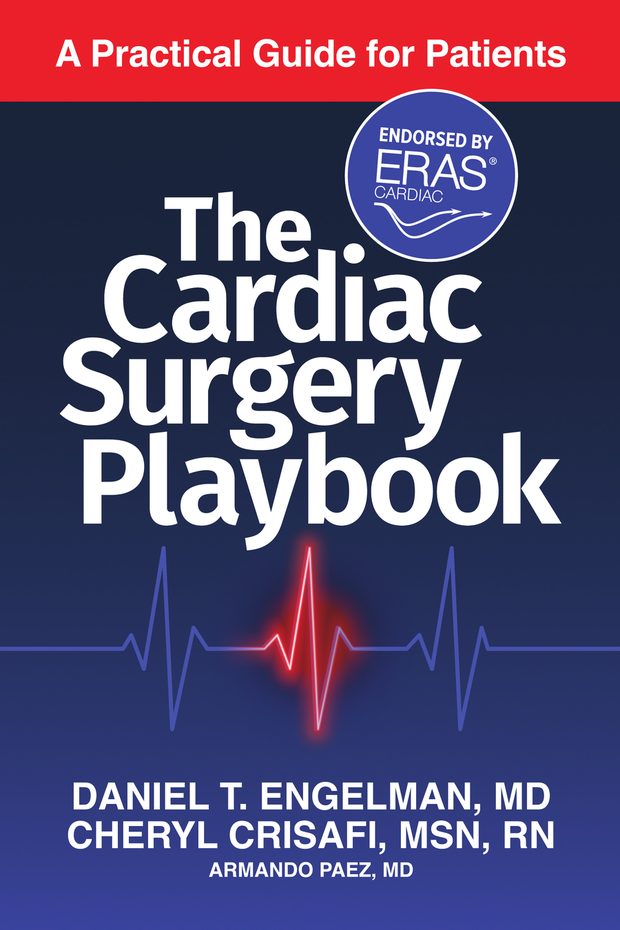
The Cardiac Surgery Playbook covers this topic in much more depth. Chapter 15: Preventing Surgical Site Infections walks through every step, with questions to ask your team. Chapter 17: Diabetes, Blood Sugar, and Heart Surgery explains why blood sugar matters for healing.
Common questions
How common is infection after heart surgery?
Most incisions heal without infection. Deep breastbone infections happen in about 1 in 100 heart surgery patients. Milder surface infections are a bit more common and usually clear with antibiotics and wound care.
When can I shower after heart surgery?
Usually within a few days, once your team says it is okay. In studies of heart surgery patients, showering two or three days after surgery did not raise infection risk. Avoid soaking in a bath, hot tub, or pool until you are cleared.
Should I put cream or ointment on my sternal incision?
No, not unless your team tells you to. Keep the incision clean and dry, and wash your hands before you touch it.
What are the signs of a sternal wound infection?
Watch for spreading redness, swelling, warmth, or pain; drainage or a bad smell; an incision that opens; a breastbone that clicks or shifts; or a fever of 101 degrees Fahrenheit or higher. Call your surgical team right away if you notice any of these.
This page is general education, not medical advice. Your own surgeon and care team know your situation best. If you think you are having a medical emergency, call 911.