Caring for Your Incision and Breastbone After Heart Surgery
Once you are home, you become the main guardian of your incisions and your healing breastbone. A few simple habits make a real difference. Most heart surgery incisions heal without infection, and up to half of the infections that do happen can be prevented. Here is what to do, what is normal, and what is not.
Your dressing in the first days
Your team will tell you when to remove the dressing and how to keep the area clean and dry. Often a dressing stays on for about two to five days. After that, the wound is usually left open to the air if there is no drainage.
Most chest incisions are covered with a plain dry sterile pad. Some teams use a clear film, a padded see-through dressing, or a dressing that contains silver. In studies of heart surgery patients, none of these prevented infection better than the plain pad.
If you are at higher risk of a wound problem, for example because of diabetes, obesity, or the use of both mammary arteries for bypass grafts, your surgeon may place a sealed dressing connected to a small battery-powered suction pump for up to a week. You may go home with it. Only your care team should remove it. Keep the pump dry and ask before showering with it on.
Showering and keeping it clean
Shower rather than soak, once your team says you may, usually within a few days of surgery. In studies of heart surgery patients, showering two or three days after surgery did not raise the risk of infection. Many people assume they must wait two weeks. You usually do not.
Let water run over the incision, pat it dry, and do not scrub. Do not soak in a bath, hot tub, or pool until your team says it is safe.
Always clean your hands before you touch your incision. Do not put creams, powders, or ointments on it unless your team tells you to. Do not shave near it, and do not pick at scabs or pull at the edges.
What normal healing looks like
It is normal for an incision to look slightly pink and to feel tender, numb, or itchy as it heals. A firm ridge or small lump often forms along the breastbone. A little clear or pink fluid in the first days can occur, but mention any drainage to your team so they can check it.
The scar may stay pink or raised at first, then fade over the months that follow.
If a vein was taken from your leg or an artery from your arm, care for that incision the same way. Leg swelling is common. Raise the leg when you sit, and wear the compression stockings your team provides.
Sternal precautions: protecting the breastbone
If your surgery went through the breastbone, that bone was divided and then closed again, usually with wires. It heals much like any broken bone and keeps getting stronger for about three months. For roughly the first six to eight weeks, most teams ask you to follow these rules:
- Keep your elbows close to your sides when you lift, push, or pull anything, such as a heavy door, a shopping cart, or a car door
- Picture a tube around your upper body from your shoulders to your waist. You can lift, push, and reach as long as your elbows stay inside it. If your team gives you a weight limit, follow that too
- Use pain as your guide to stop an activity
- Do not push up with your arms held wide to get out of a chair or bed. Keep your elbows in, use your legs, and let your body roll
- Hold a firm pillow against your chest when you cough or sneeze. This is called splinting
- Avoid reaching far behind you or raising both arms high overhead until your team clears it
Precautions are changing
These rules are temporary, and most people return to normal use of their arms once the bone has healed. Practices are also changing. Many teams now use modified or more relaxed movement guidelines instead of strict limits. Ask your own team which approach is right for you.
Minimally invasive operations that spare the breastbone usually need fewer precautions. You still have internal healing to do, so follow your team's guidance on activity, driving, and wound care.
Pets and your breastbone
Do not let a pet sleep against your chest. Do not walk a dog that pulls, since one lunge can exceed your lifting limit. Never let a pet lick your incision, and wash your hands after handling one. Have someone else empty the litter box. Report any bite or deep scratch, especially if you take a blood thinner.
Habits that help the wound heal
Keep your blood sugar steady and stay smoke-free. These help your wound heal just as much at home as in the hospital. Eat enough protein, which your body uses to repair tissue. Our page on eating and nutrition explains the targets.
When to call
Call your surgical team right away, or seek emergency care, if you notice any of the following. Do not wait for these signs to settle on their own.
- Redness, swelling, warmth, or pain that is spreading or getting worse
- Fluid, pus, or blood leaking from the incision, or a bad smell
- An incision that opens up, or a breastbone that clicks, shifts, or feels loose
- A fever of 101 degrees Fahrenheit or higher, or shaking chills
- Feeling generally unwell and worn out as your incision changes
Learn more in The Cardiac Surgery Playbook
Chapter 15, Preventing Surgical Site Infections, covers the dressings, the suction pump, showering, and the warning signs in detail. Chapter 19, Recovery: From Intensive Care to the Journey Home, explains sternal precautions, pets, and daily checks at home. Our page on preventing infection covers the steps before surgery.
Common questions
When can I shower after open heart surgery?
Usually within a few days, once your team says you may. Shower rather than soak, let water run over the incision, and pat it dry. No baths, hot tubs, or pools until you are cleared.
Is a lump along my breastbone incision normal?
A firm ridge or small lump along the breastbone is common as it heals. Pinkness, numbness, and itching are also normal. Spreading redness, drainage, or a bone that clicks or shifts is not. Call your team for those.
How long do sternal precautions last?
Usually about six to eight weeks, while the breastbone heals. The bone keeps strengthening for about three months. Some teams now use more relaxed guidelines, so ask what your program advises.
Why does my breastbone click?
A clicking, shifting, or popping feeling can mean the breastbone is not holding steady. Call your surgical team the same day so they can check it.
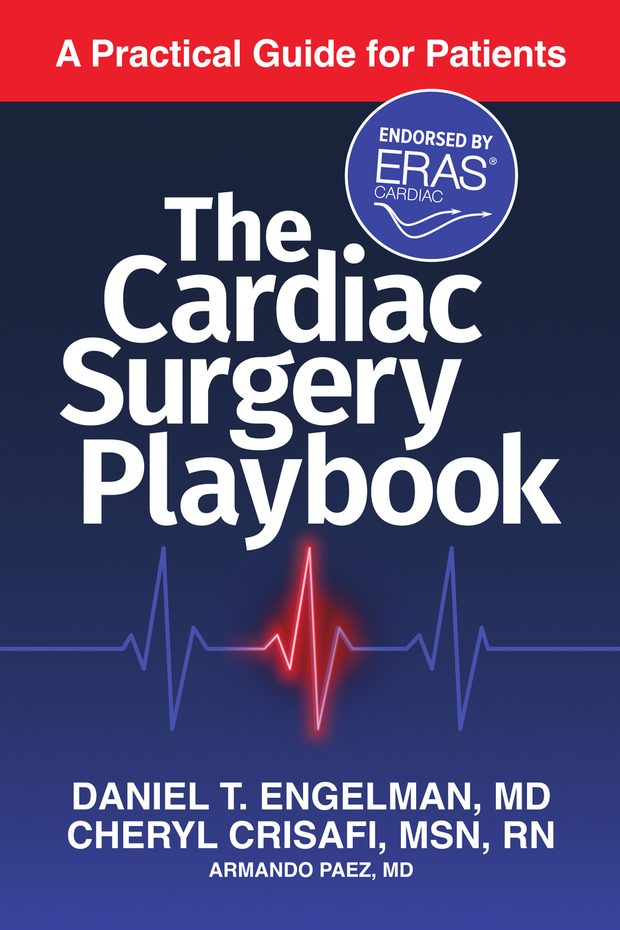
Go deeper in the book. Chapter 15: Preventing Surgical Site Infections; Chapter 19: Recovery: From Intensive Care to the Journey Home. Written by a cardiac surgeon, a cardiac surgery nurse and an infectious disease physician, with worksheets you can fill in for your own care.
Paperback Hardcover KindleThis page is general education, not medical advice. Your own surgeon and care team know your situation best. If you think you are having a medical emergency, call 911.