Breathing Exercises After Heart Surgery: Protecting Your Lungs
After heart surgery, your lungs need your help. Anesthesia, soreness, and time in bed all lead to shallow breathing, and shallow breathing is how pneumonia begins. A few simple habits, repeated many times a day, keep your lungs open and clear. This page explains those habits and why they matter. What your own team tells you always takes priority.
What surgery does to your lungs
During the operation a ventilator breathes for you, and for many operations the heart-lung machine takes over the work of the lungs entirely. Afterward, the tiny air sacs at the base of the lungs tend to collapse and stick together. Mucus pools there, your oxygen level dips, and germs find a quiet corner to grow in.
A slow, full breath pops those air sacs open and lifts the mucus to where you can cough it out. That is the whole point of the breathing exercises. They are not busywork. In the first weeks they are among the most effective things you can do for yourself.
Start before surgery
Many programs ask you to begin breathing practice before the operation, as part of getting in shape for it. If you are handed an incentive spirometer at a pre-surgery visit, use it every day and practice the deep breaths and gentle coughs you will need later. Learning the technique while you feel well makes it much easier when you are sore and tired.
If you smoke, quitting even a few weeks ahead improves your lungs and cuts the risk of pneumonia and wound infection. Our page on preparing for heart surgery covers the rest.
Using the incentive spirometer
The device is a clear plastic chamber with a mouthpiece and a marker that rises as you inhale. It turns an invisible breath into something you can watch and improve. A respiratory therapist or nurse will show you the technique and mark your personal target. The basics:
- Sit up in a chair or on the edge of the bed if you can
- Breathe out normally, then close your lips around the mouthpiece
- Inhale slowly and steadily through your mouth, lifting the marker as high as you can. Slow beats fast
- Hold the breath for a few seconds, then remove the mouthpiece and exhale normally
- Rest a moment and repeat. Many teams suggest about ten breaths every waking hour, but use the number your team gives you
- End each session with a pillow-supported cough to clear whatever the deep breaths loosened
Coughing with a pillow
Coughing clears mucus, so it matters. It also tugs on a healing breastbone and incision. The answer is to splint. Press a firm pillow or folded towel snugly against your chest with both arms and hug it as you cough, sneeze, or laugh. The support steadies the bone and takes much of the sting away.
A couple of short, forceful breaths out after a deep breath in, sometimes called a huff, often clear mucus better than one big cough and hurt less. Keep the pillow within reach at all times early on, including in the car and beside the bed.
Walking is a breathing exercise too
Lying flat is hard on the lungs. Fluid collects, air sacs close, and mucus sits. Getting upright and walking reverses all of it, which is why your team will have you sitting up and taking steps within a day of surgery, sometimes the same evening.
Every walk is a chance to breathe deeply. Judge your pace by whether you can still talk in whole sentences. If you cannot, ease off. Once home, keep up short, frequent walks and lengthen them gradually until cardiac rehab starts. Use the spirometer between walks.
Pain control makes it possible
No one breathes deeply when every breath hurts. That is why pain relief counts as lung protection rather than a luxury. Take your scheduled pain medicine, ask for a dose before walks, and tell your nurse when pain keeps you from using the spirometer. Our page on pain control after heart surgery describes the usual plan.
Fluid around the lungs
Fluid sometimes gathers in the space around a lung after surgery, which doctors call a pleural effusion. Small amounts usually clear as your body rebalances, helped by walking and the water pill many people take for a while. A larger collection can cause breathlessness, a new cough, or a drop in energy, and may need to be drained. This is one reason to keep every follow-up visit and to report new shortness of breath promptly.
When to call
Call 911 or go to the emergency room for severe breathlessness that rest does not relieve, sudden shortness of breath with chest pain that is worse on a deep breath or with a racing heart, or coughing up blood. These can mean a clot in the lungs or another emergency. Do not drive yourself.
Call your surgical team today for breathlessness that is new or getting worse, a cough bringing up thick or colored mucus, a fever of about 101 degrees Fahrenheit or the number your team set for you, chills, chest discomfort that shifts with breathing or position, or trouble walking distances you managed the day before. Our warning signs page lists the rest.
Learn more in The Cardiac Surgery Playbook
Chapter 14 includes breathing practice among the steps for getting ready. Chapter 19 explains why deep breathing and early walking matter so much in the hospital, and Chapter 21 describes pneumonia, fluid collections, and blood clots and how your team prevents them.
Common questions
How often should I use the incentive spirometer after heart surgery?
Many teams suggest about ten slow, deep breaths every hour while you are awake for the first few weeks. Follow the number and target your own team sets, and finish each session with a supported cough.
How long should I keep doing breathing exercises after open heart surgery?
Usually for several weeks, until you are walking well and your team says you can stop. Many people keep the device handy until the first follow-up visit.
Why does it hurt to take a deep breath after heart surgery?
A deep breath stretches the healing breastbone, chest wall, and incision. The sting fades over the first weeks, and splinting with a pillow plus scheduled pain medicine makes it easier. Pain that is sharp with each breath and comes with sudden breathlessness is different and needs emergency care.
How can I prevent pneumonia after heart surgery?
Hourly deep breaths with the spirometer, supported coughing, getting up and walking early and often, enough pain relief to do all three, and staying off tobacco.
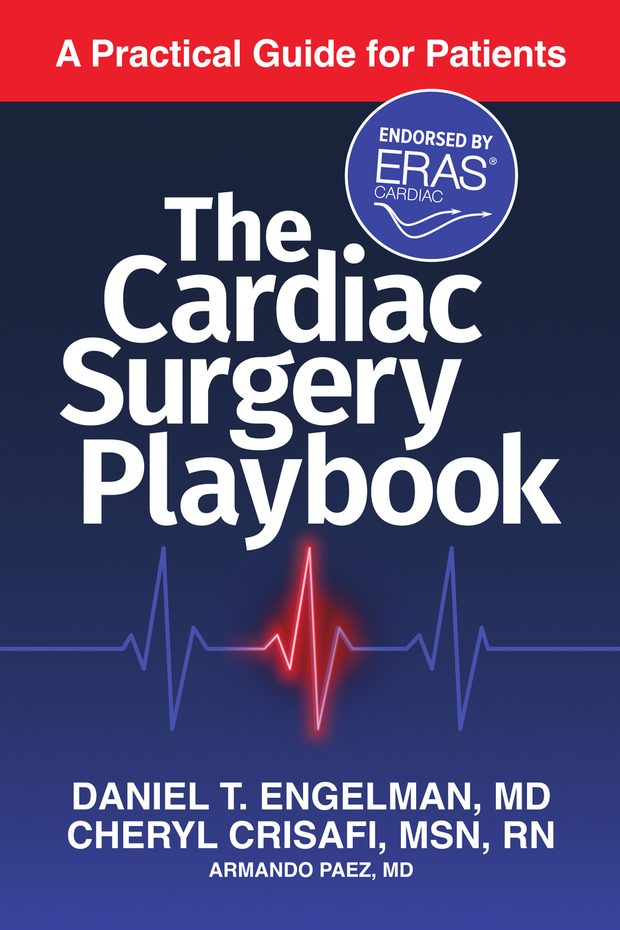
Go deeper in the book. Chapter 14: Preparing for Surgery: Getting Your Body and Life Ready; Chapter 19: Recovery: From Intensive Care to the Journey Home; Chapter 21: When Things Do Not Go as Planned. Written by a cardiac surgeon, a cardiac surgery nurse and an infectious disease physician, with worksheets you can fill in for your own care.
Paperback Hardcover KindleThis page is general education, not medical advice. Your own surgeon and care team know your situation best. If you think you are having a medical emergency, call 911.