Diabetes and Blood Sugar Control Before and After Heart Surgery
If you have diabetes, you may fear it makes heart surgery too risky. It does not. Close to four out of ten people who have heart surgery live with diabetes, and teams have a clear plan for blood sugar at every step. Even people without diabetes can run high sugars after an operation. This page explains why it matters and what you can do. Your own team's targets and medicine schedule always come first.
Why blood sugar matters so much
Blood sugar, or glucose, fuels the body. When it runs high around an operation, it blunts the white blood cells that fight infection and slows tissue repair. That raises the chance of a wound infection, including a deep infection of the breastbone, and adds strain to the heart. Our page on preventing infection covers the other steps that lower that risk.
Years of research show that keeping sugar in a steady, safe range through the early days of recovery lowers those risks. Teams are not chasing a perfect number. They want a steady one, with no dangerous lows.
High sugar without diabetes
An operation is a stress, and the hormones the body releases under stress drive blood sugar up. Doctors call this stress hyperglycemia. Because it can happen to anyone, every heart surgery patient has their sugar checked, not just those with diabetes. If your sugar runs high in the hospital and you have never had diabetes, it is usually temporary, but it deserves a follow-up test once you have recovered.
Targets at each stage
Your team may adjust these for you, but the general plan looks like this:
- At home before surgery: sugars roughly between 100 and 180 mg/dL, with an HbA1c under 8 percent. HbA1c reflects your average sugar over the previous two to three months
- In the operating room and for about the first two days: sugar kept under 180 mg/dL and above the low range, usually with an insulin drip that is checked often
- On the regular ward: roughly 100 to 180 mg/dL
- Back home: an individual plan, usually set with a diabetes specialist and written down for you
Getting your numbers ready before surgery
If your operation is planned rather than urgent, the weeks before it are your chance to steady your sugar as part of getting in shape for surgery. Work with whoever manages your diabetes. Build meals around protein, vegetables, and whole grains, cut back on sugary drinks, and walk every day. If your HbA1c is high, ask whether a medicine change is needed now. A continuous glucose monitor, a small sensor worn on the skin, shows trends and warns you before a high or a low. Our page on eating and nutrition covers food in more detail. Bring your meter and a written record of what you take, and how much, to every pre-surgery visit.
Which diabetes medicines are paused
Your team will give you a personal written schedule. Never stop or change a diabetes medicine on your own. As a general guide:
- SGLT2 inhibitors such as empagliflozin (Jardiance), dapagliflozin (Farxiga), and canagliflozin (Invokana) are stopped at least three days ahead, and ertugliflozin (Steglatro) at least four. Many people take them for the heart or kidneys rather than for sugar. Around surgery they can cause a dangerous acid buildup in the blood even when sugar readings look fine. A combination tablet that pairs metformin with one of these follows the same rule
- Metformin alone is usually skipped only on the morning of surgery
- Other diabetes pills, such as glipizide (Glucotrol) or glyburide, are usually held on the morning of surgery, because they can cause a low while you are not eating
- GLP-1 medicines such as semaglutide (Ozempic, Wegovy) and tirzepatide (Mounjaro, Zepbound) slow the stomach, which can make anesthesia less safe. Daily versions are usually skipped on the day itself and weekly injections roughly a week beforehand, although some teams keep them going and use a liquid diet the day before instead. Make sure your team knows you take one
- Long-acting insulin is usually reduced the night before, with no mealtime doses while you are not eating. A pump is usually removed before surgery and restarted when you are ready
- With type 1 diabetes, your body makes no insulin, so your background insulin must never stop completely. Your team knows this and plans for it
In the hospital: the insulin drip
During the operation and for a day or two afterward, most people with diabetes, and many without, receive insulin slowly through a vein. This drip is the most precise way to keep sugar steady, with finger-stick checks as often as hourly. When you are awake and eating, the team usually moves you to insulin shots: a long-acting dose plus smaller doses with meals.
Needing insulin in the hospital, even if you have never used it, is routine and nearly always short-lived. Sugar often runs high at first and settles as healing progresses, and your usual medicines return gradually as you start eating. If you wear a continuous glucose monitor, tell your team. It may be paused around the operation, since finger-stick checks remain the hospital standard.
Going home with diabetes
Before discharge, make sure you have a written sugar plan, any new prescriptions, and a follow-up visit with the person who manages your diabetes. Do not assume your old doses still fit. They often change after surgery, and good follow-up lowers the chance of a return to the hospital. At home, keep checking your sugar as instructed, eat protein at every meal, and keep walking. Steady sugar protects your incisions just as it did in the hospital. Our page on incision and breastbone care explains what to watch for.
Recognizing and treating a low
A low, meaning a sugar under 70 mg/dL, can be dangerous. Typical warnings are shakiness, sweating, a racing heart, sudden hunger, confusion, or feeling faint. One catch: beta blockers, which most heart surgery patients take, can mask the shakiness and the racing heart. So watch especially for sweating, hunger, and confusion.
When you notice these warnings, test your sugar. If it is low, take about 15 grams of quick sugar, wait a quarter of an hour, and test again, repeating until you are back above 70. Follow up with a snack or a meal. Roughly 15 grams means half a cup of juice or regular soda, five or six hard candies, three to four glucose tablets, or a tablespoon of honey. Sizes vary, so check the label. Tell your team if lows keep recurring.
When to seek help now
Call 911 or go to the emergency room if a low will not come up, if you are getting worse, or if you are too sleepy or muddled to swallow safely. Relatives should not try to feed someone who cannot swallow. They should call 911 instead. A high sugar together with nausea, vomiting, rapid or deep breathing, or a fruity odor on the breath is also an emergency.
Call your team today about sugars that stay above the range you were given, a wound that is red, warm, or draining, or a fever, since high sugar and infection feed each other. Our warning signs page lists every red flag.
Learn more in The Cardiac Surgery Playbook
Chapter 17 covers the targets, the tools your team uses, continuous glucose monitors, and the medicines that need special timing. Chapter 14 covers the other steps of getting your body ready, and our page on medicines before and after heart surgery covers the rest of your list.
Common questions
What should my A1c be before heart surgery?
Most teams aim for an HbA1c under 8 percent and daily sugars of about 100 to 180 mg/dL before a planned operation. If your A1c is higher and there is time, your team may work to bring it down first. Urgent surgery is not usually delayed for this.
Why am I on insulin after heart surgery if I do not have diabetes?
The stress of surgery pushes blood sugar up even in people without diabetes, and steady sugar in the first days lowers the risk of wound infection. The insulin is usually temporary and stops as you recover. Ask for a follow-up sugar test after you heal.
Should I stop Jardiance or Farxiga before heart surgery?
Yes, usually at least three days before, and Steglatro at least four days, because these medicines can cause a dangerous acid buildup around surgery. Your team will give you the exact day. Do not change the timing on your own.
Do I stop Ozempic or Mounjaro before heart surgery?
Usually. Daily forms are often skipped on the day itself and weekly injections roughly a week beforehand, because they slow stomach emptying and can make anesthesia less safe. Some teams use a liquid diet the day before instead. Tell your team you take one and follow their instructions.
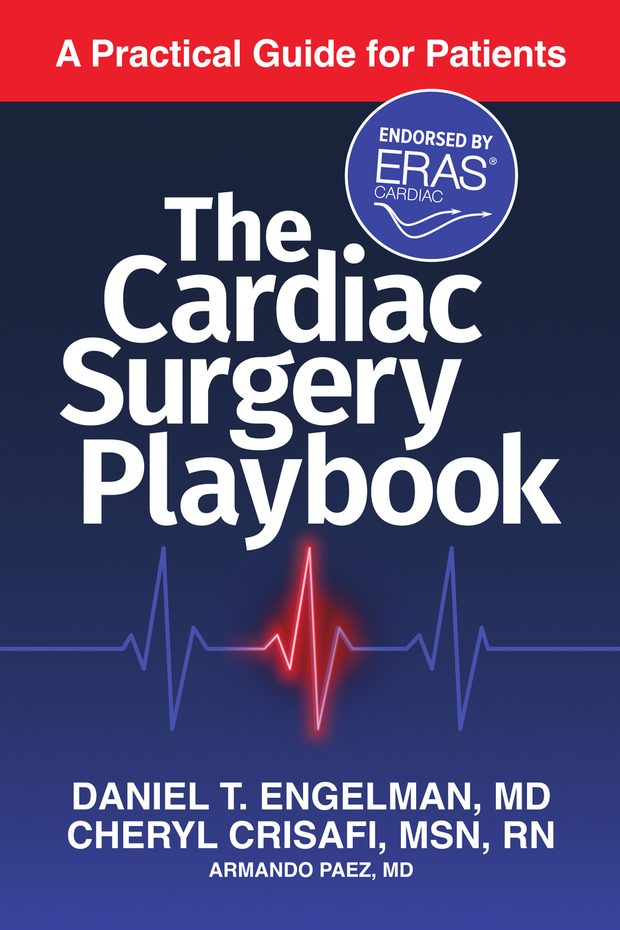
Go deeper in the book. Chapter 17: Diabetes, Blood Sugar, and Heart Surgery; Chapter 14: Preparing for Surgery: Getting Your Body and Life Ready. Written by a cardiac surgeon, a cardiac surgery nurse and an infectious disease physician, with worksheets you can fill in for your own care.
Paperback Hardcover KindleThis page is general education, not medical advice. Your own surgeon and care team know your situation best. If you think you are having a medical emergency, call 911.