How to Prepare for Heart Surgery
The weeks before heart surgery are not just waiting time. What you do now can change how well you come through the operation and how fast you recover. Here is what to expect, and what to talk about with your care team.
Why preparation matters
Many heart programs follow a plan called Enhanced Recovery After Surgery, or ERAS®. It is a set of small steps that help people recover faster and more safely. Many of those steps are up to you.
That makes you a partner in your care. When you know the plan, you tend to worry less and heal better. It is fair to ask your team whether they follow an ERAS® pathway.
Get stronger before surgery (prehab)
Getting your body ready before an operation is called prehabilitation, or prehab. The more strength you bring to surgery, the more you have for healing. People who arrive stronger tend to leave intensive care sooner and get back on their feet faster.
Start once your surgery is planned. Even a few days can help. Steps your team may suggest include:
- Walking or gentle activity most days, building up slowly as your heart allows
- A balanced diet with enough protein, which your body uses to heal
- Practicing slow, deep breaths, often with a small breathing device called an incentive spirometer
- Working with your team to steady your blood sugar if you have diabetes or prediabetes
- Treating low iron or anemia ahead of time, which can lower the chance you need a transfusion
Stop smoking and cut back on alcohol
Quitting all tobacco, including vapes, is one of the most helpful things you can do. Being smoke-free helps wounds heal and lowers the risk of chest infections and pneumonia. It is never too late to quit.
Few people quit by willpower alone. Nicotine patches, gum, and prescription medicines can roughly double your chances. Free coaching is available at 1-800-QUIT-NOW. Heavy drinking can raise the risk of bleeding and an irregular heartbeat, so be honest with your team about how much you drink.
Medicines, skin, and eating before surgery
Tell your team about every medicine and supplement you take, including ones you buy without a prescription. Some, like blood thinners and certain herbal products, must be stopped on an exact schedule. Never stop or change a medicine on your own.
Your team will likely ask you to wash with a special antiseptic soap in the days before surgery. They may also check your nose and treat it with an ointment.
The old rule of nothing after midnight has changed in many programs. You may be allowed clear liquids until about two to four hours before surgery, sometimes with a special carbohydrate drink. Rules differ for some people, such as those who use insulin. Always follow your own team's instructions exactly.
Get your home and bag ready
Many people go home about four to seven days after the operation. Plan ahead:
- Cook and freeze a few simple meals
- Set up a resting spot, ideally on the first floor, with a phone, water, and medicines nearby
- Clear loose rugs, cords, and clutter from walkways
- Arrange a ride home and someone to stay with you or check in for the first week or two
- Pack loose, button-front tops, non-slip shoes, glasses, hearing aids, dentures, a phone charger, and a current medicine list
- Leave jewelry, cash, and other valuables at home
Care for your mind and your wishes
Feeling worried before heart surgery is normal. Share your feelings with family and your team. Many programs offer social workers, chaplains, peer mentors, and support groups. If you feel anxious or low for more than about two weeks, tell your team. Call your team if you get a fever, cold, or new infection before surgery.
Before surgery, your surgeon will talk with you about the plan, its risks, and other choices. This is called informed consent, and you can ask anything. It is also wise to prepare advance directives, such as a living will and a health care proxy, and bring copies to the hospital.
Learn more in The Cardiac Surgery Playbook
The Cardiac Surgery Playbook covers all of this in more depth. Chapter 13, Enhanced Recovery After Surgery (ERAS®), explains what you and your team each do. Chapter 14, Preparing for Surgery: Getting Your Body and Life Ready, includes a full checklist, tips for quitting smoking, guidance for older adults, and ways to ease worry.
Common questions
How long before heart surgery should I stop smoking?
As soon as you learn you are having surgery. The benefit grows the longer you are off tobacco, but stopping at any point still helps.
Can I drink water before heart surgery?
Many programs now allow clear liquids until about two to four hours before surgery. Your own team's instructions come first, and some people get different rules.
What should I pack for open heart surgery?
Bring loose, button-front tops, non-slip shoes, your glasses, hearing aids, and dentures, a phone and charger, and an up-to-date medicine list. Leave valuables at home.
What is prehab before heart surgery?
Prehab means getting stronger before your operation. It includes light exercise, breathing practice, good nutrition, and treating problems like low iron, so you have more reserve for recovery.
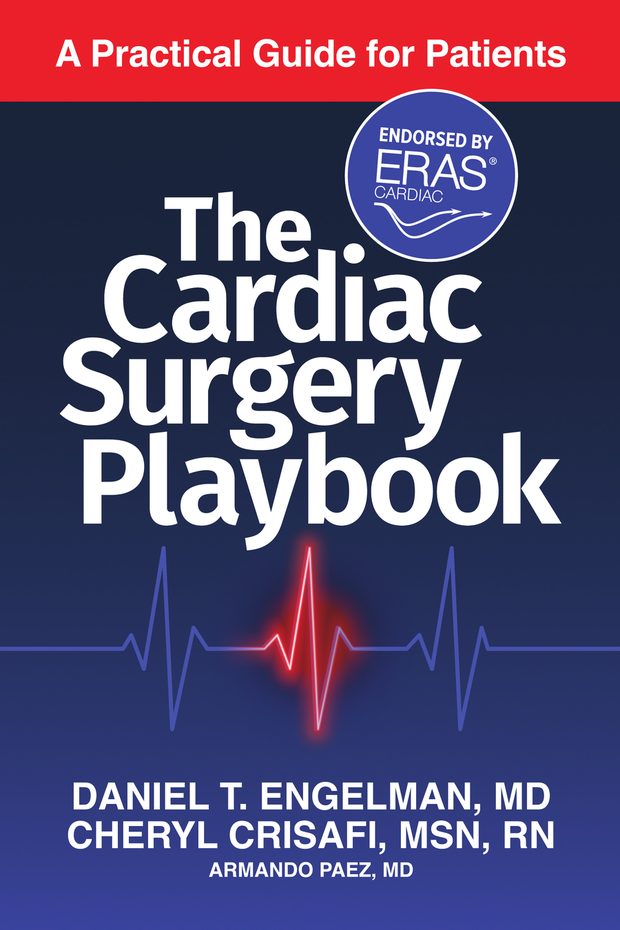
Go deeper in the book. Chapter 13: Enhanced Recovery After Surgery (ERAS®); Chapter 14: Preparing for Surgery: Getting Your Body and Life Ready. Written by a cardiac surgeon, a cardiac surgery nurse and an infectious disease physician, with worksheets you can fill in for your own care.
Paperback Hardcover KindleThis page is general education, not medical advice. Your own surgeon and care team know your situation best. If you think you are having a medical emergency, call 911.